Indian Ethos | Shakti Peethas and Sacred Temples of India
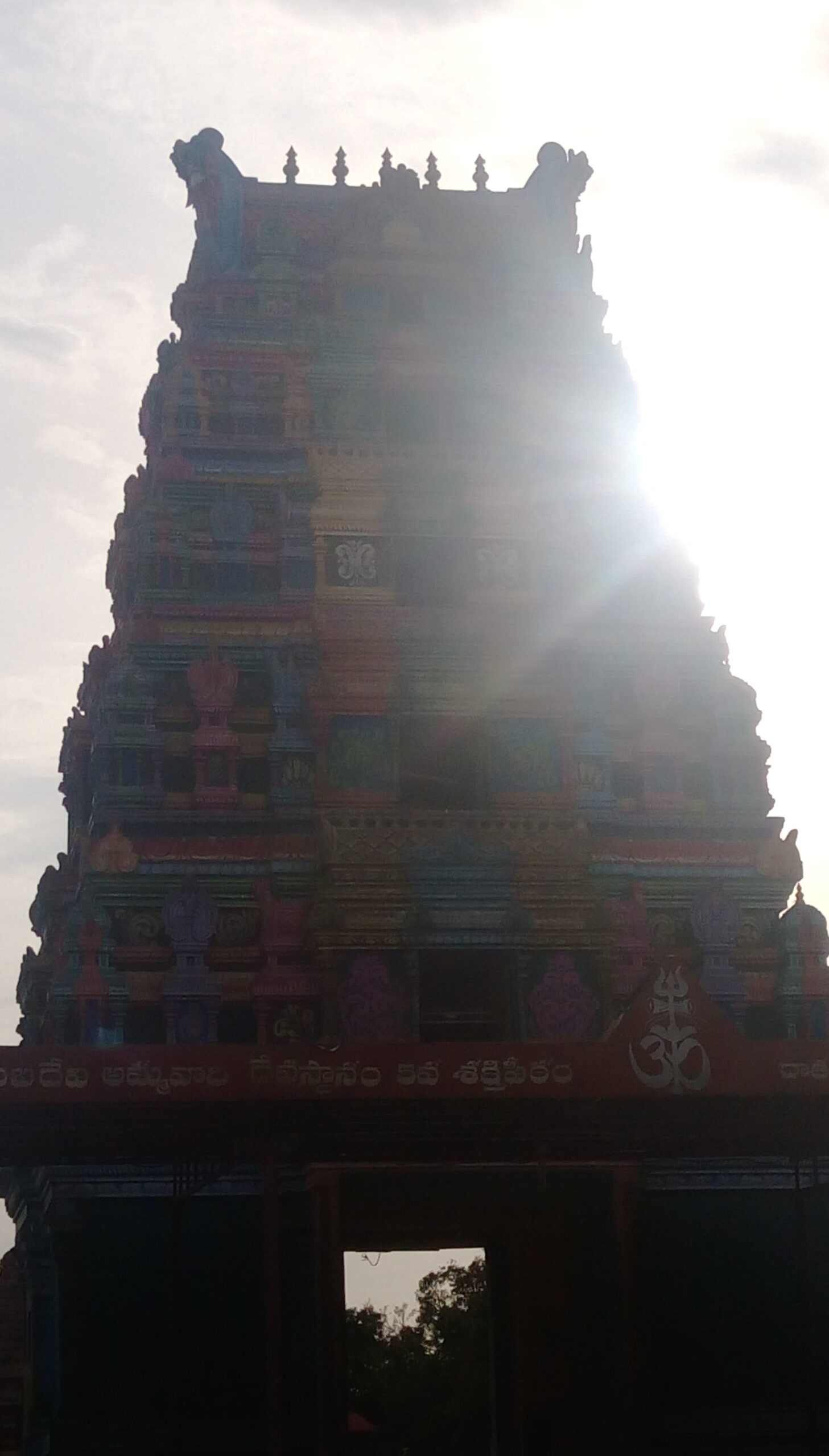
The Jogulamba Devi Shakti Peetha at Alampur, Telangana, stands within a sacred landscape near the meeting of the Tungabhadra and Krishna rivers. Here Sri Jogulamba Devi is worshipped as a powerful manifestation of the Divine Mother. Her shrine is revered among the traditional Ashta Dasha Shakti Peethas, while the surrounding heritage of the Navabrahma temples connects the pilgrimage with centuries of Shaiva and Deccan temple traditions.
This guide brings together the Sthala Puranam, the sacred tradition associated with Sati, the Goddess’s distinctive iconography, spiritual reflections, temple timings, travel planning, nearby heritage and strictly vegetarian food suggestions. Timings and local services can change, so confirm practical details with the temple before travelling.
For current darshan details, consult the official Sri Jogulamba Bala Brahmeswara Swamy Devasthanam website and the Government of Telangana district tourism guide. For the heritage photographs, see the original Jogulamba temple image licence and the Navabrahma gateway image record.
Jogulamba Devi Shakti Peetha at a glance
- Temple: Sri Jogulamba Devi Temple
- Location: Alampur, Jogulamba Gadwal district, Telangana, India
- Presiding deity: Sri Jogulamba Devi, a form of Parvati and the Divine Mother
- Shakti Peetha tradition: traditionally associated with the falling of Sati’s upper teeth
- Nearby heritage: Sri Bala Brahmeshwara Swamy Temple and the Navabrahma temples
- Nearest commonly used rail station: Alampur Road, around 9 km away according to district tourism information
- Official temple website: https://www.srijogulamba.com/
The sacred presence of Jogulamba Devi
Jogulamba is one of Telangana’s most important centres of Shakti worship. The name is commonly connected with Yogula Amma, meaning “Mother of Yogis,” an interpretation recorded by the district tourism authority. It evokes the Divine Mother as a guide to inner discipline, spiritual awareness and the strength required to confront life’s challenges.
The Goddess is known for an unusually fierce and striking iconography. Official tourism descriptions draw attention to features such as a scorpion, frog and lizard associated with her hair or head. These details distinguish the image from more familiar representations of the Goddess and invite reflection on a form of Shakti that is powerful, unconventional and beyond ordinary categories.
The fierce appearance of the Mother need not be understood as hostility towards her devotees. In devotional understanding, it signifies protection, transformation and the power to face what is feared. The Mother who confronts darkness is also the refuge to whom devotees turn for steadiness, guidance and grace.
Sthala Puranam: The legend of Sati and the Shakti Peethas
Daksha’s sacrifice and Sati’s sorrow
According to Hindu sacred narratives, Sati, the daughter of Daksha Prajapati, married Lord Shiva. When Daksha performed a great sacrifice and deliberately excluded Shiva, Sati was deeply distressed by the insult to her beloved. She went to the sacrificial gathering despite the tension and, unable to bear the humiliation, gave up her life there.
Shiva’s grief and the sacred places of the Goddess
Overwhelmed by sorrow, Lord Shiva carried Sati’s body, and the worlds were disturbed by his grief. In the well-known Shakti Peetha narrative, Lord Vishnu used his Sudarshana Chakra to divide the body so that cosmic balance could be restored. The places associated with the falling of Sati’s body parts or ornaments became sacred centres of the Divine Mother.
Why is Alampur associated with Sati’s upper teeth?
In the tradition followed at Jogulamba, Sati’s upper teeth are believed to have fallen at Alampur. Telangana’s district tourism material records this local association. As with many sacred sites, accounts differ across regional texts and devotional lists; this should be presented as a revered religious tradition rather than as a claim independently established by historical evidence.
For pilgrims visiting the Jogulamba Devi Shakti Peetha, the story is an invitation to understand the Shakti Peethas as a sacred geography of the Divine Mother. Each shrine carries its own local memory, ritual life and devotional identity, while all are connected through the enduring presence of Shakti.
Why is Jogulamba worshipped in a fierce form?
The distinctive iconography of Jogulamba is often interpreted as a sign that divine power cannot be confined to familiar or comfortable forms. The unusual creatures associated with the Goddess can prompt devotees to look beyond surface appearances and to remember that spiritual wisdom sometimes asks us to face what unsettles us.
Her fierce symbolism can be contemplated inwardly: the scorpion as a reminder of pain and defensiveness, the lizard and frog as images of life in unexpected places, and the Goddess herself as the power that holds all of creation within a larger sacred order. These are devotional reflections, not a claim that every symbol has one universally accepted scriptural meaning.
Spiritual significance: The Mother of Yogis
The association with Yogula Amma makes Jogulamba’s shrine a fitting place to reflect on discipline and inner awareness. Yoga in the broad spiritual sense asks for steadiness of mind, discernment and the gradual transformation of habit. The Goddess’s fierce form reminds devotees that this work may require courage as well as tenderness.
- Courage in adversity: meet difficulties with clarity rather than panic.
- Discipline of the mind: cultivate awareness, restraint and patience in daily life.
- Transformation: recognise harmful tendencies and work to change them.
- Protection through wisdom: use strength to defend what is right without becoming harsh or arrogant.
- Humility: remember that spiritual growth is a lifelong practice.
A simple devotional prayer
Devotees may pray according to their family tradition or recite hymns to the Divine Mother. The most meaningful offering is one made with reverence, sincerity and a willingness to bring the values of the prayer into everyday life.
Alampur: Dakshina Kailasam and the sacred meeting of rivers
Alampur is traditionally called Dakshina Kailasam, or the Kailasa of the South. The district tourism account connects this identity with the region’s sacred geography, including the confluence of the Tungabhadra and Krishna rivers. The landscape is revered not only for the Jogulamba shrine but also for its long association with Shiva worship and temple building.
The wider temple complex brings Shakti and Shiva traditions together. Visitors planning a visit to the Jogulamba Devi Shakti Peetha can combine darshan with Sri Bala Brahmeshwara Swamy Temple and the Navabrahma temples, while following local instructions about access, photography and ritual areas.
Sri Bala Brahmeshwara Swamy Temple
Sri Bala Brahmeshwara Swamy is a major Shiva shrine at Alampur and an important companion visit for pilgrims. The local temple traditions link the Goddess and Shiva shrines within a shared sacred landscape. Confirm current entry and puja schedules before planning the order of darshan.
The Navabrahma temples: a treasure of Deccan heritage
The Navabrahma temples are a group of nine historic temples dedicated to Lord Shiva. Wikimedia Commons’ heritage descriptions identify them as early Chalukya-era temples, dating broadly from the 7th to 9th centuries, and note their distinctive Nagara-style architecture and stone craftsmanship. Their surviving carvings and architectural details make them especially rewarding for visitors interested in the history of sacred architecture in the Deccan.
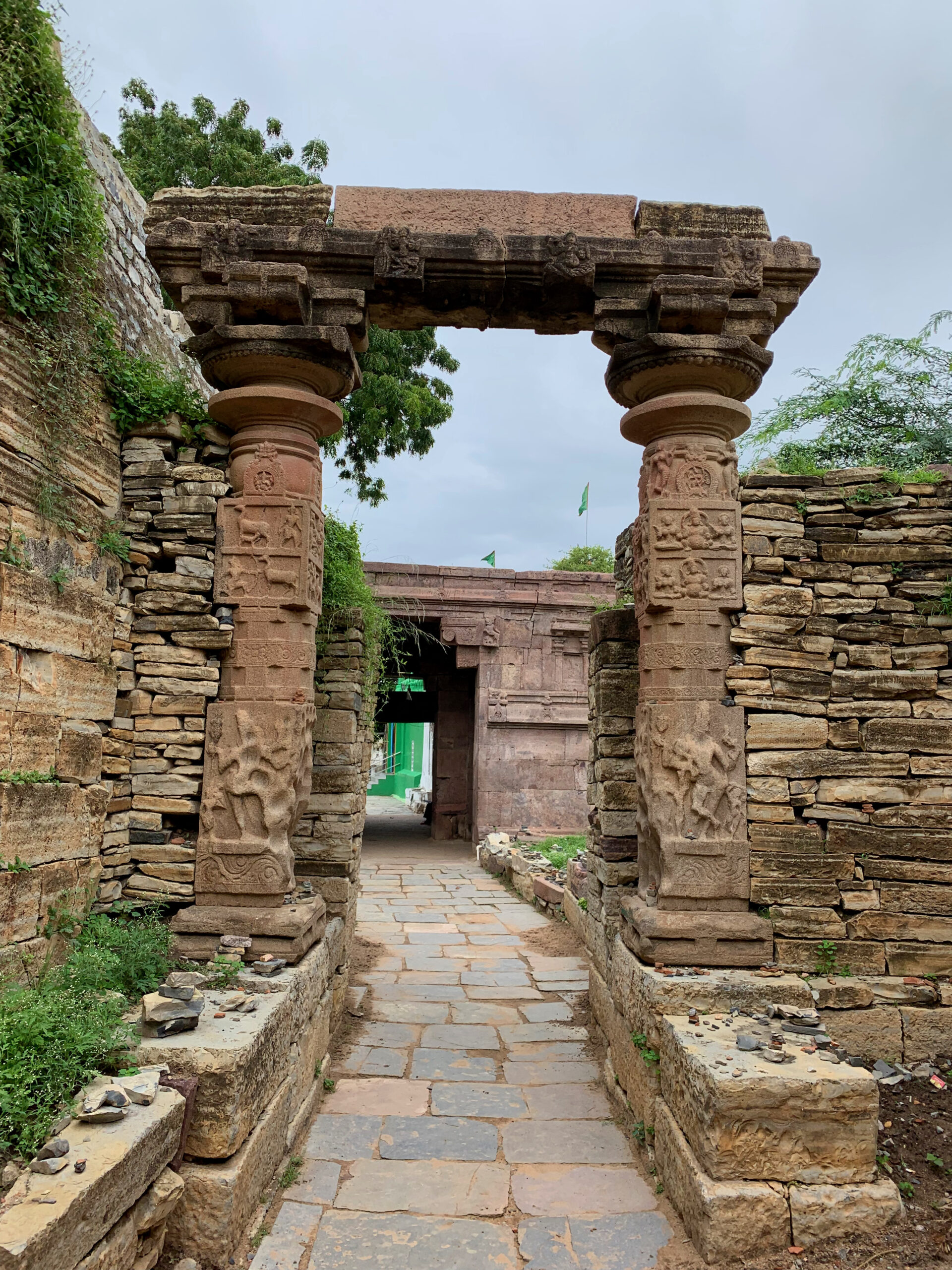
The nine temples are commonly named Bala Brahma, Kumara Brahma, Arka Brahma, Veera Brahma, Vishwa Brahma, Taraka Brahma, Garuda Brahma, Swarga Brahma and Padma Brahma. The names and architectural differences reward a slow visit. Treat the site as a heritage landscape as well as a place of worship, and avoid touching or climbing on fragile carvings.
Temple timings and darshan planning
The official Sri Jogulamba Bala Brahmeswara Swamy Devasthanam website lists the following routine timings. District tourism information gives a slightly different schedule, so visitors should confirm directly with the temple before setting out, especially on festival days.
- Jogulamba Devi Temple: official temple website lists 6:30 a.m. to 8:30 p.m.
- Bala Brahmeshwara Swamy Temple: official website lists 6:00 a.m. to 8:30 p.m.
- Listed break: 1:00 p.m. to 2:00 p.m.
- District tourism listing: 7:00 a.m. to 1:00 p.m. and 2:00 p.m. to 8:30 p.m.
- Official website: https://www.srijogulamba.com/
- District tourism page: https://gadwal.telangana.gov.in/tourist-place/jogulamba-devi/
Because published schedules differ, do not rely on a single timing copied from an old travel article. Check for special pujas, festival arrangements, crowd management and any temporary changes before travelling.
How to reach Jogulamba Devi Shakti Peetha
By air
Rajiv Gandhi International Airport in Hyderabad is the main airport to consider. The district tourism authority places it roughly 200 km from Alampur; the actual road journey varies by route and traffic.
By train
Alampur Road is the railway station commonly used by visitors and is approximately 9 km from the temple according to district tourism information. Confirm train schedules and arrange onward local transport in advance.
By road
The Jogulamba Devi Shakti Peetha at Alampur is accessible from Hyderabad and the Hyderabad–Bengaluru highway corridor. Allow for traffic and local road conditions, and check your route before departure. If travelling during Navaratri or another major festival, plan extra time for parking and queues.
A relaxed one-day pilgrimage itinerary
- Morning: arrive early and visit Sri Jogulamba Devi Temple, allowing time for darshan and prayer.
- Late morning: visit Sri Bala Brahmeshwara Swamy Temple and explore the Navabrahma temples, subject to opening hours and access.
- Afternoon: take a vegetarian meal break and return to the heritage site for a slower look at the stonework and carvings.
- Evening: if temple timings and travel plans permit, return for darshan or begin the onward journey.
This is a suggested sequence, not a guarantee of queue times or access. Keep the schedule flexible around puja timings, weather and local instructions.
Best time to visit Alampur
For a visit to the Jogulamba Devi Shakti Peetha, the cooler months, roughly October through February, can make outdoor heritage visits more comfortable. Navaratri and other festival periods offer a particularly devotional atmosphere but may bring larger crowds. Confirm the festival calendar and any special darshan arrangements with the temple authority.
Strictly vegetarian food near Jogulamba Temple
A pilgrimage to the Jogulamba Devi Shakti Peetha can be paired with a simple, nourishing taste of Telangana vegetarian cooking. Food availability varies by establishment and time of day, so treat the dishes below as suggestions to ask for rather than guaranteed menu items.
Vegetarian dishes to look for
- Jonna roti: sorghum flatbread, often served with vegetable curry or chutney.
- Pappu: a lentil preparation that varies by household and restaurant.
- Vegetable kura: a seasonal vegetable curry served with rice or roti.
- Rice with sambar or pappu charu: familiar meal options for pilgrims.
- Pesarattu or idli: possible breakfast choices where available.
- Traditional sweets: ask about ingredients and preparation before ordering.
Local vegetarian dining options
The supplied draft identifies Raviteja Aryavysya Bhojanashaala near BRS Function Hall, Alampur, and Om Jonna Roti, Bakshalu, Chapati, Curries Point on Jogulamba Temple Road as vegetarian dining options. I have not independently confirmed their current opening hours, menus or kitchen practices. Please check directly before travelling.
For strict vegetarian requirements, ask about ingredients, cooking oil and preparation surfaces. If you avoid onion and garlic or need a kitchen that prepares only vegetarian food, explain this clearly when ordering. Confirm prasadam or annadanam availability and timings with the temple rather than assuming it will be available on arrival.
Frequently asked questions
Is Jogulamba Devi one of the eighteen Maha Shakti Peethas?
Yes. Telangana’s district tourism account and the temple’s own website identify Jogulamba Temple at Alampur as one of the eighteen Shakti Peethas. Lists and associated legends can vary by tradition, so the article distinguishes the local belief from a claim of universal agreement.
Which part of Sati is believed to have fallen at Alampur?
The local tradition associates Sati’s upper teeth with Jogulamba Shakti Peetha. Details of the body parts associated with individual Peethas vary in some regional accounts.
What does the name Jogulamba mean?
The Telangana district tourism account connects the name with Yogula Amma, meaning “Mother of Yogis.”
How far is Jogulamba Temple from Hyderabad?
The district tourism listing gives an approximate road distance of 220 km from Hyderabad. The actual journey depends on the chosen route and traffic.
What are the darshan timings?
The official temple website lists Jogulamba Devi darshan from 6:30 a.m. to 8:30 p.m. and a break from 1 p.m. to 2 p.m. The district tourism page lists a slightly different schedule. Confirm the current timings directly before travel.
What vegetarian food can visitors find near the temple?
After darshan at the Jogulamba Devi Shakti Peetha, jonna roti, lentils, vegetable curries, rice and breakfast items are good choices to ask for. Availability and preparation vary, so confirm ingredients and kitchen practices with the restaurant.
Further reading on Indian Ethos
Continue your journey through the sacred geography of Shakti with our guide to the eighteen Maha Shakti Peethas, Sri Kamakshi Devi of Kanchipuram, Sri Shankari Devi and Chamundi Devi of Mysuru.
Sources and image credits
Temple history, regional traditions, access and district tourism information: Government of Telangana, Jogulamba Gadwal district, https://gadwal.telangana.gov.in/tourist-place/jogulamba-devi/. Darshan timings and temple information: Sri Jogulamba Bala Brahmeswara Swamy Devasthanam, https://www.srijogulamba.com/.
Temple photograph: Sudeeksha10, CC BY-SA 4.0, https://commons.wikimedia.org/wiki/File:Jogulamba_temple.jpg. Licence: https://creativecommons.org/licenses/by-sa/4.0/. Navabrahma gateway photograph: Ms Sarah Welch, CC0 1.0 public-domain dedication, https://commons.wikimedia.org/wiki/File:Entrance,_Navabrahma_temples_site,_Alampur,_Telangana_-_01.jpg. Licence: https://creativecommons.org/publicdomain/zero/1.0/.
The Mother’s strength and grace
At the Jogulamba Devi Shakti Peetha, the fierce and protective Mother is worshipped as a form whose power transcends appearances. Her sacred home at Alampur brings together the traditions of Shakti, the worship of Shiva and a remarkable heritage of ancient temple architecture.
For the pilgrim, the journey is an opportunity to seek the Mother’s grace and reflect on the courage needed to overcome inner obstacles. For the heritage traveller, it is an invitation to appreciate the spiritual and artistic legacy of Telangana. May Sri Jogulamba Devi bless every home with strength, wisdom, protection and peace.
Indian Ethos