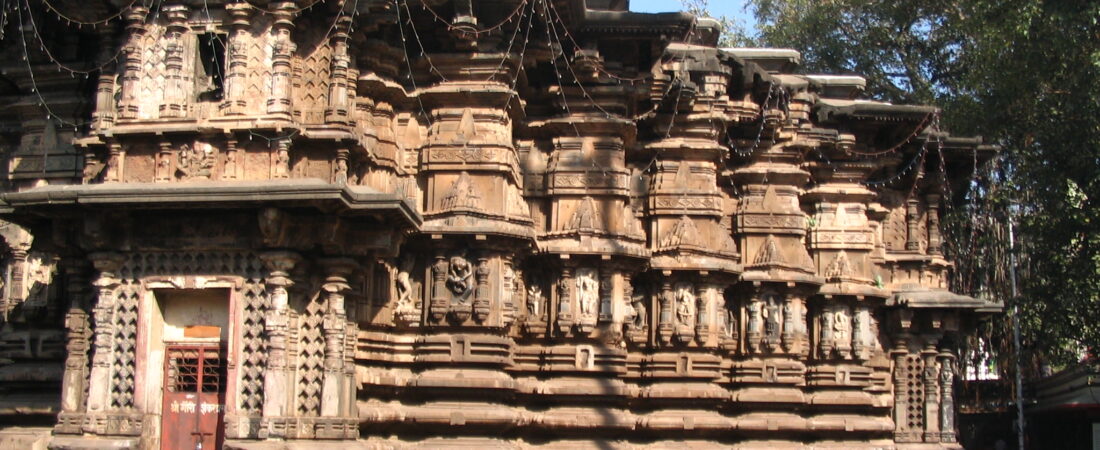
In historic Kolhapur, Maharashtra, stands the revered shrine of Shri Karveer Nivasini Mahalaxmi, lovingly known as Ambabai. This guide to the Kolhapur Mahalaxmi Shakti Peetha explores its Sthala Puranam, spiritual significance, rituals, festivals, travel details, nearby attractions and strictly vegetarian food. For current visitor information consult the official temple website and Maharashtra Tourism.
Kolhapur Mahalaxmi Shakti Peetha at a glance
- Deity: Shri Mahalaxmi / Ambabai, Karveer Nivasini
- Location: Kolhapur, Maharashtra, India
- Tradition: Revered Shakti Peetha; also celebrated as one of Maharashtra’s three-and-a-half Shakti Peethas in regional tradition
- Signature festival: Kirnotsav, when the setting sun’s rays enter the sanctum in a seasonal alignment
- Nearby: Bhavani Mandap, Rankala Lake, New Palace, Jyotiba Temple and Panhala Fort
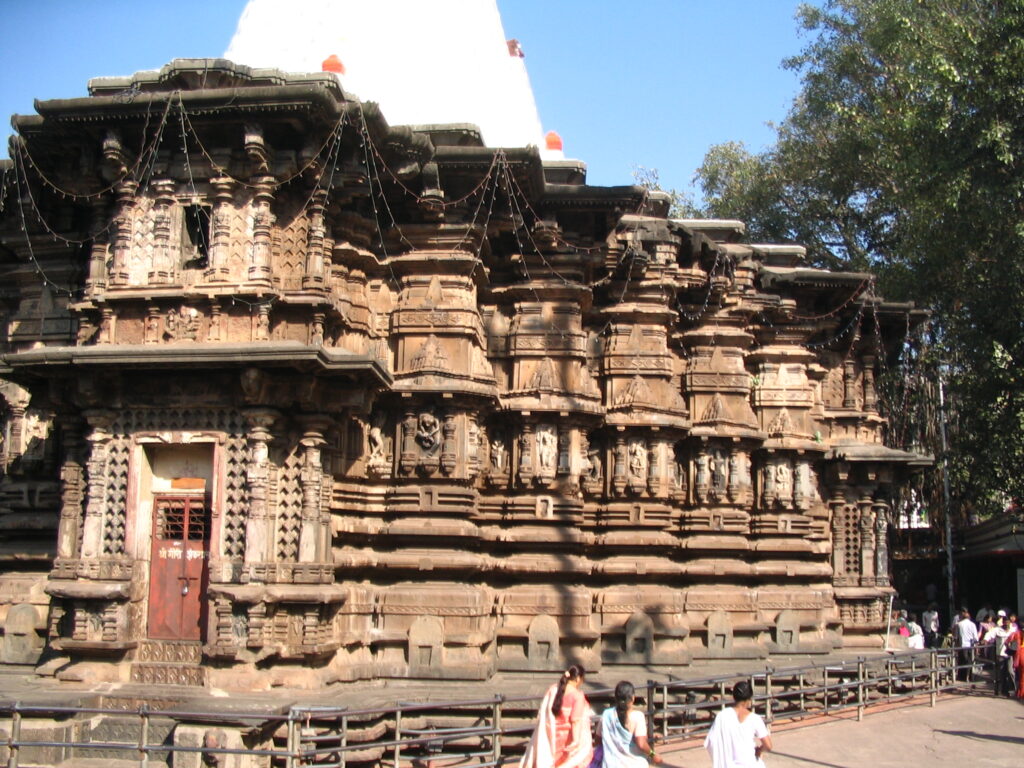
Temple photograph: Ankur P, licensed under CC BY-SA 2.0, via Wikimedia Commons.
Sthala Puranam: The sacred story of Karveer
In sacred narratives associated with Karveer, Goddess Mahalaxmi is the sovereign Mother who protects devotees, restores dharma and grants the inner resources needed to live with wisdom. Karveer Nivasini means the Goddess who resides in Karveer, the traditional name associated with this sacred region.
Local legends connect the city’s name with Kolhasura, an asura defeated by the Goddess. In devotional tellings, after his defeat the place retained a name associated with him, while the Goddess remained its protecting presence. Versions differ across retellings; this is a sacred local legend rather than independently verifiable history.
The Shakti Peetha tradition
The wider Shakti Peetha tradition begins with Sati, daughter of Daksha Prajapati and consort of Lord Shiva. When Daksha insulted Shiva during a great sacrifice, Sati gave up her life in grief. Shiva carried her body in sorrow until Lord Vishnu intervened to restore cosmic balance. Places associated with the falling of Sati’s body parts or ornaments came to be revered as Shakti Peethas. Kolhapur is revered in regional and Shakta traditions as a major Peetha; traditional lists vary, so the article does not present one disputed list as universal.
Spiritual significance of Ambabai
Mahalaxmi is worshipped as a form of Adi Shakti associated with auspiciousness, abundance, protection and spiritual well-being. Her presence is understood as compassionate and sovereign: she blesses household life while reminding devotees that true prosperity includes generosity, steadiness and dharmic conduct.
Rituals and daily worship
The temple’s daily worship includes traditional services. Exact timings can change, particularly during festivals, so check the official temple website before visiting.
- Padyapooja and Mukhamarjan: Traditional morning service.
- Kakad Aarti: Early morning aarti welcoming the day.
- Abhishek / Mahabhishek: Ritual bathing according to temple practice.
- Alankar Pooja: The Goddess is adorned with garments and ornaments.
- Naivedya and Aarti: Food offerings and lamp worship.
- Kumkumarchan: Devotional kumkum offering, subject to current rules and availability.
- Shejarati: Concluding night aarti.
- Palakhi procession: Held on specified days and during major festivals; confirm the current calendar.
Festivals: Navratri and Kirnotsav
Navratri: One of the most important celebrations at Ambabai Temple, with special worship, alankar, aarti and processions. Lalita Panchami is particularly associated with the temple’s festival calendar. Expect crowds and arrange accommodation early.
Kirnotsav: The celebrated solar alignment when setting sun rays enter the temple and illuminate the deity. Maharashtra Tourism describes the event around 31 January–2 February and 9–11 November; confirm dates and visibility with the temple for your travel year.
Travel guide: Visiting Mahalaxmi Temple
- By air: Kolhapur Airport is the local airport; routes and availability change, so check current schedules.
- By train: Chhatrapati Shahu Maharaj Terminus connects Kolhapur with regional and long-distance destinations. Continue by taxi, auto-rickshaw or local transport.
- By road: Regional highways and bus services connect the city. Allow extra time on festival days.
Visitor timings may vary between sources. Check the official temple website for current darshan, aarti and seva information. Dress respectfully and follow photography, security and queue instructions.
Other attractions in and around Kolhapur
- Bhavani Mandap: Historic landmark associated with Kolhapur’s royal heritage.
- Rankala Lake: Popular lakeside walk and evening views; check boating availability locally.
- New Palace and museum: Royal history and historical collections; confirm opening hours.
- Jyotiba Temple: Revered hill shrine around 14 km from Kolhapur according to Maharashtra Tourism, especially busy during the Chaitra fair.
- Panhala Fort: Maratha-era hill fort with historic ramparts and Sahyadri views.
- Kaneri Math / Siddhagiri Gramjivan Museum: Cultural attraction illustrating traditional village life; confirm hours.
Strictly vegetarian food in Kolhapur
Vegetarian visitors can explore traditional Maharashtrian dishes, while confirming ingredients and preparation methods directly.
- Misal pav: Spiced sprouted-legume curry with bread; check toppings and preparation.
- Thalipeeth: Savoury multigrain flatbread.
- Bhakri with pithla: Millet or sorghum flatbread with gram-flour preparation.
- Varan-bhaat: Lentils and rice.
- Usal and seasonal bhaji: Legume and vegetable dishes.
- Sabudana khichdi: Sago, peanuts and potato; confirm oil and ingredients.
- Puran poli: Traditional sweet flatbread.
- Solkadhi: Kokum-based regional drink; check the preparation suits your preferences.
For strict vegetarians: Do not assume a restaurant or shared kitchen is vegetarian. Ask whether the establishment is fully vegetarian and whether utensils, cooking surfaces, oil and ingredients are shared. If you avoid onion and garlic, mention this explicitly. Confirm temple prasad arrangements with the temple.
Suggested one-day itinerary
- Early morning: Darshan and aarti at Mahalaxmi Temple according to the current schedule.
- Late morning: Explore temple architecture and Bhavani Mandap.
- Lunch: Choose a confirmed vegetarian restaurant and ask about ingredients.
- Afternoon: Visit New Palace museum or Rankala Lake.
- Optional extension: Plan Jyotiba Temple or Panhala Fort as a separate outing.
Frequently asked questions
Is Kolhapur Mahalaxmi a Shakti Peetha?
Yes. Kolhapur is revered as a Shakti Peetha in regional and Shakta traditions and commonly described as one of Maharashtra’s three-and-a-half Shakti Peethas.
Who is Ambabai?
Ambabai is the widely used name for Goddess Mahalaxmi, worshipped as Karveer Nivasini.
What is Kirnotsav?
Kirnotsav is associated with the setting sun’s rays entering the temple and illuminating the deity. Confirm dates and viewing arrangements with the temple.
What vegetarian food should I try?
Misal pav, thalipeeth, bhakri with pithla, usal, sabudana khichdi and puran poli are dishes to look for; confirm ingredients and kitchen practices.
A closing prayer to Ambabai
Amma Ambabai, Karveer Nivasini, bless every home with wisdom, compassion, courage and contentment. May prosperity be joined with generosity, strength with humility, and devotion with service. Jai Karveer Nivasini Ambabai!