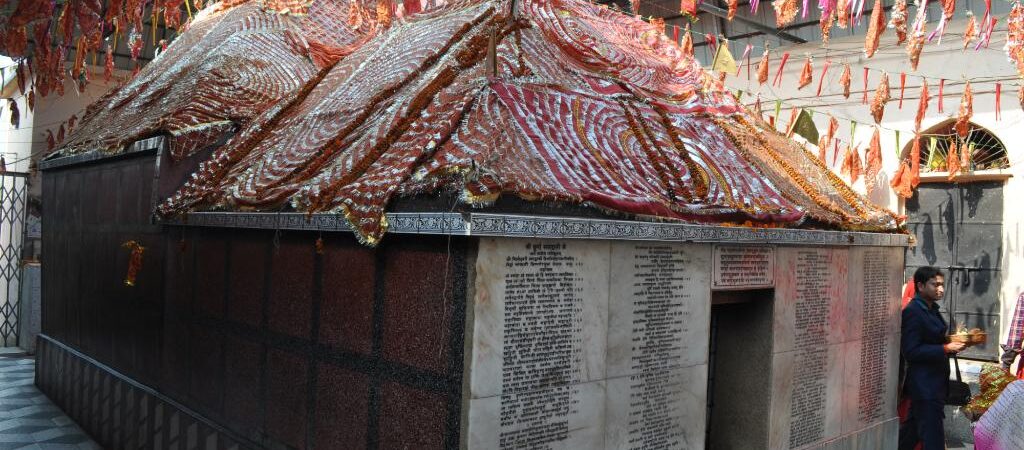
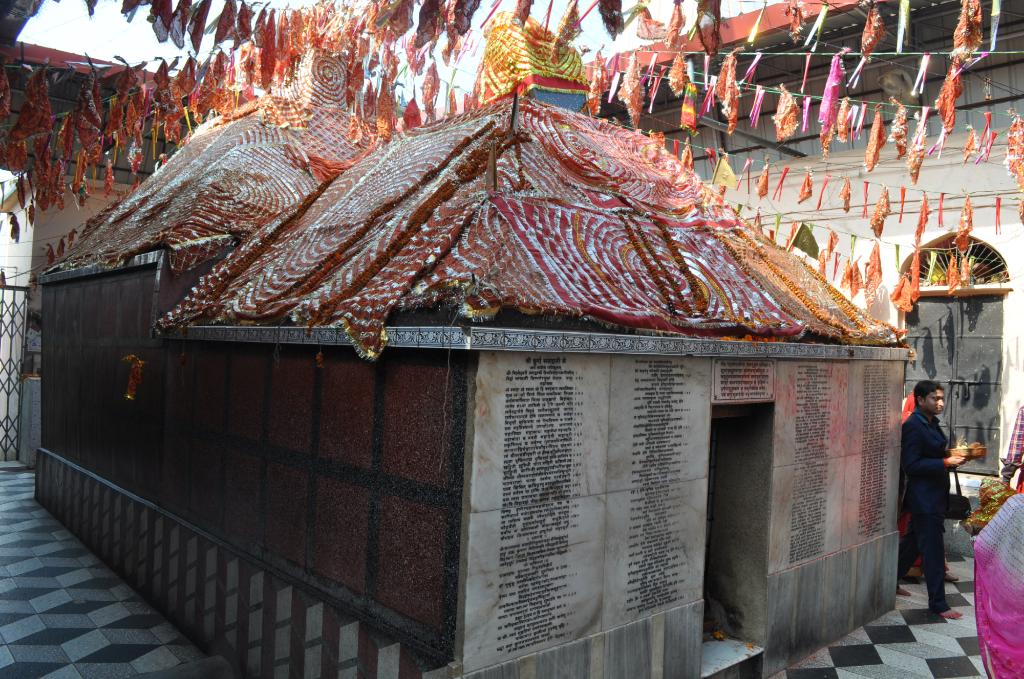
On Mangala Gauri Hill in Gaya Ji, Bihar, devotees worship Maa Mangala Gauri as a compassionate form of the Divine Mother—an embodiment of nourishment, care, auspiciousness and family well-being. The hilltop shrine is revered in Shakti Peetha tradition and forms part of Gaya’s wider sacred landscape.
Introduction: Maa Mangala Gauri Shakti Peetha, Gaya Ji
Maa Mangala Gauri Temple stands on Mangala Gauri Hill in Gaya Ji, Bihar. Bihar Tourism describes it as a major Shakti Peetha and records the sacred belief that Goddess Sati’s breast fell here, symbolising nourishment and benevolence. The temple is traditionally associated with ancient Puranic and Shakta worship, and remains an active destination for devotees seeking the Mother’s blessings.
The name Mangala Gauri evokes auspiciousness and the grace of Gauri, the Divine Mother. Devotees pray for well-being, harmony in family life, strength through difficult times and the wisdom to nurture others with compassion. These are devotional aspirations, not guaranteed material outcomes.
At a Glance
- Deity: Maa Mangala Gauri
- Location: Mangala Gauri Hill, Gaya Ji, Bihar 823001
- Tradition: Revered Shakti Peetha associated with Sati’s breast
- Special observances: Tuesday worship, Shravan month, Navaratri and other auspicious Devi occasions
- Access: Steps and a motorable road are described in official tourism information; confirm the best access route locally
- Nearby places: Vishnupad Temple, Falgu River and Akshay Vat, Ramshila Hill, Bodh Gaya and Mahabodhi Temple
Sthala Puranam: The Story of Sati and the Shakti Peethas
Daksha’s yajna and Sati’s sacrifice
The sacred story of the Shakti Peethas begins with Goddess Sati, daughter of Daksha Prajapati and consort of Lord Shiva. Daksha organised a great yajna but did not honour Shiva. Sati attended and was deeply hurt by the insult directed at her husband. In the traditional account, she gave up her body at the sacrificial gathering.
Grief-stricken, Shiva carried Sati’s body and wandered in sorrow. To restore cosmic balance, Lord Vishnu used the Sudarshana Chakra to divide the body. The places where parts of Sati are believed to have fallen became Shakti Peethas, sacred sites where the Divine Mother is especially revered. This is a foundational religious narrative, not a claim that the events can be historically verified.
Why is Mangala Gauri associated with Sati’s breast?
According to the tradition associated with Gaya, Sati’s breast fell at Mangala Gauri. The symbolism is deeply maternal: nourishment, protection, compassion and the sustaining power of the Mother. Devotees may reflect on the many ways care sustains life—through food, emotional support, education, kindness and the quiet work of keeping a family or community together.
Bihar Tourism notes that the temple is mentioned in Puranic traditions, including the Padma Purana, Vayu Purana, Agni Purana and Devi Bhagavata Purana. Specific textual references can differ by edition and interpretation; the broader point is the shrine’s place in the living religious memory of Gaya.
Spiritual Significance of Maa Mangala Gauri
- Motherhood and nourishment: The sacred association with Sati’s breast expresses the Divine Mother’s sustaining, protective aspect.
- Mangala—auspiciousness: The Goddess is worshipped for blessings, steadiness and positive beginnings.
- Family well-being: Devotees pray for harmony, the health of loved ones and strength in household responsibilities.
- Shakti as compassion: The shrine invites reflection on strength that nurtures rather than dominates, and on care as a sacred responsibility.
- Gaya’s layered sacred geography: Mangala Gauri’s hill shrine exists alongside the city’s Hindu ancestral rites and Bodh Gaya’s Buddhist heritage, making the region a meeting place of several spiritual traditions.
The Temple Complex and Sacred Hill
Mangala Gauri Temple occupies a hilltop setting above Gaya. Official tourism descriptions note the main shrine and other sacred images and shrines in the complex, including forms associated with Shiva, Durga, Dakshina Kali and Mahishasura Mardini. The hill and its steps form part of the pilgrimage experience, so visitors should allow time for the approach rather than planning only for the moment of darshan.
Some local accounts describe two rounded stones as symbols connected with the traditional story of Sati. Interpretations of sacred features belong to the temple’s devotional tradition. Follow local guidance about where to stand, what may be offered and which areas are open to visitors.
Rituals and Worship at Mangala Gauri
Tuesday worship and the Mangala Gauri vrata
Tuesday is especially associated with Mangala Gauri worship. During the monsoon season, women traditionally observe a vrata on Tuesdays, praying for family welfare and auspiciousness. Accounts of the observance describe offerings such as bangles, fruits and sweets; the exact number and arrangement can vary by family and local practice. Confirm the temple’s current requirements before bringing ritual items.
Offerings and prayer
Offerings may include flowers, fruits, sweets and other items accepted by the temple. Devotees may offer a simple prayer in their own words, expressing gratitude and asking for wisdom, courage and compassion. If you wish to perform a specific puja, ask the temple priest or official staff about the authorised procedure, costs, timings and materials. Do not rely on unofficial intermediaries.
Navaratri and Shravan
Navaratri is a major period of Devi worship, and Shravan carries special significance in the wider Shiva-Shakti devotional calendar. Crowds can be larger on Tuesdays, during Navaratri and on other auspicious dates. Confirm the festival schedule and any queue or access arrangements locally.
Respectful conduct
- Wear modest, comfortable clothing suitable for a hill approach.
- Remove footwear where required and follow signs and staff instructions.
- Ask before photographing the shrine or any ritual.
- Keep the temple clean and avoid blocking pathways.
- For formal puja, follow the guidance of temple authorities or a qualified priest.
How to Reach Mangala Gauri Temple, Gaya
By air
Bodh Gaya Airport is the nearest airport option listed by Incredible India for the area. Flight availability varies by season and route. Check the current schedule and arrange onward transport to Gaya and Mangala Gauri Hill before travelling.
By train
Gaya Junction is the principal railway station for the city, with connections to several Indian destinations. From the station, local taxis and auto-rickshaws can take visitors towards Mangala Gauri Hill. Confirm the exact drop-off point and the remaining walk or climb with the driver.
By road and local transport
Gaya is connected by road with Patna and other cities in Bihar. Within Gaya, auto-rickshaws, cycle-rickshaws and taxis are common ways to move between pilgrimage sites. Traffic, weather and festival crowds can affect journey times.
Temple timings and accessibility
Incredible India lists general hours of 6:00 a.m. to 8:00 p.m.; timings can change for festivals, special pujas and local arrangements. Verify before setting out. The temple is on a hill and the approach includes steps, although official tourism information also mentions a motorable road. Visitors with mobility concerns should confirm the current vehicle drop-off point, step count or accessible approach in advance.
Best time to visit
October through March is often more comfortable for exploring Gaya’s outdoor pilgrimage sites than the hottest summer months. Shravan and Navaratri are spiritually important but can be busier. If visiting during Pitru Paksha, plan extra time because Gaya attracts many people performing ancestral rites.
Other Places to Visit Around Gaya
Vishnupad Temple
Vishnupad Temple, on the Falgu River, is one of Gaya’s principal Hindu pilgrimage sites. It is revered for the footprint associated with Lord Vishnu and is closely connected with ancestral rites. Check temple access and ritual arrangements before visiting.
Falgu River and Akshay Vat
The Falgu River and the sacred Akshay Vat are important to Gaya’s pilgrimage landscape, particularly for families performing ancestral observances. If your visit includes shraddha or pind-daan, arrange the ritual with trusted, clearly identified local guidance and confirm the sequence of sites beforehand.
Ramshila Hill and Pretshila Hill
These hills are associated with Gaya’s ancestral pilgrimage traditions and provide a different perspective on the region’s sacred geography. Access may involve steps or uneven ground; wear suitable footwear and check conditions.
Mahabodhi Temple, Bodh Gaya
Mahabodhi Temple is a UNESCO World Heritage Site and one of Buddhism’s most important pilgrimage centres, associated with the Buddha’s enlightenment. Visitors should respect the site’s Buddhist customs and photography rules. Allow separate travel time from Gaya city.
The Great Buddha Statue and monasteries of Bodh Gaya
Bodh Gaya’s Great Buddha Statue and international monasteries offer an opportunity to learn about Buddhist art and devotional life. They make a worthwhile extension for travellers with additional time.
Strictly Vegetarian Food in Gaya
Gaya and the wider Magadh region offer simple vegetarian meals and well-known Bihari snacks and sweets. The dishes below are vegetarian options; recipes and kitchen practices vary. If you require a fully vegetarian kitchen, ask whether meat, fish or eggs are prepared on the premises and whether shared utensils are used.
- Litti–chokha: Roasted wheat-flour balls filled with seasoned sattu, served with mashed potato, tomato or roasted brinjal. Confirm that the accompaniment is vegetarian and ask about ghee or oil.
- Sattu paratha: Flatbread filled with roasted gram flour, herbs and spices; a hearty breakfast or lunch option.
- Vegetarian thali: Dal, rice, roti and seasonal vegetables make a practical meal between temple visits. Ask about onion, garlic and packaged seasonings if you prefer sattvic food.
- Chana ghugni: Spiced chickpeas, often served as a snack; ask about the preparation method.
- Tilkut: A celebrated Gaya sweet made primarily from sesame seeds and sugar or jaggery, especially associated with winter. Check ingredients and packaging.
- Khaja and local mithai: Traditional sweets may be available from sweet shops; ask about ingredients and freshness.
- Seasonal vegetables and simple khichdi: Useful choices for travellers wanting a lighter meal.
Restaurant guidance for vegetarian pilgrims
Local restaurant listings and menus can change, and a vegetarian dish does not prove that an entire kitchen is vegetarian. Before publication, Indian Ethos should retain named restaurants only when their current address, hours and vegetarian status can be independently verified. In the meantime, choose a clearly labelled vegetarian restaurant or a simple thali establishment, phone ahead, and state your requirements clearly. If you avoid onion and garlic, mention that separately; “vegetarian” and “sattvic” are not interchangeable.
Suggested One-Day Gaya Pilgrimage
- Early morning: Visit Maa Mangala Gauri Temple, allowing time for the hill approach, queue and prayer.
- Breakfast: Choose a verified vegetarian meal, such as sattu paratha or a simple breakfast.
- Late morning: Visit Vishnupad Temple and the Falgu River area if it fits your religious plans.
- Lunch: Have a vegetarian thali or another meal whose ingredients you have confirmed.
- Afternoon: Choose Ramshila Hill or another Gaya site; alternatively, reserve a separate half-day for Bodh Gaya.
- Evening: Return to your accommodation, allowing extra time for local traffic.
This is a flexible suggestion, not a fixed ritual sequence. If you are visiting for pind-daan or another prescribed observance, follow the guidance of your family tradition and a trusted qualified priest.
Frequently Asked Questions
Where is Maa Mangala Gauri Shakti Peetha?
It is on Mangala Gauri Hill in Gaya Ji, Bihar, India.
Which part of Sati is believed to have fallen here?
According to the local Shakti Peetha tradition, Sati’s breast is believed to have fallen at this site, symbolising nourishment and maternal care.
Why do devotees worship Maa Mangala Gauri?
Devotees pray for auspiciousness, family well-being, harmony and spiritual strength. These are devotional aspirations, not guaranteed outcomes.
What are the temple timings?
Incredible India lists 6:00 a.m. to 8:00 p.m. as general hours, but timings may change. Confirm locally before travelling.
When is the temple busiest?
Tuesdays, Shravan, Navaratri and other auspicious dates can attract more devotees. Pitru Paksha also brings many pilgrims to Gaya as a whole.
Is the temple suitable for visitors who have difficulty climbing?
The approach includes steps, and tourism information mentions a motorable road. Confirm the current drop-off and accessible route before visiting.
What vegetarian food should I try in Gaya?
Litti–chokha, sattu paratha, vegetarian thalis and Gaya tilkut are well-known options. Check ingredients and kitchen practices if you have strict requirements.
Image Credits and Copyright Policy
Documentary temple photograph: “Mangala Gauri Temple at Gaya, Bihar,” photograph by Mumbaipsytrance, via Wikimedia Commons, licensed under Creative Commons Attribution-ShareAlike 4.0 (CC BY-SA 4.0). View original file and licence. Credit the photographer, link to the source and licence, and indicate any modifications if made.
Original Indian Ethos artwork: A watercolor-style illustration may be used as a separate editorial illustration and labelled clearly as artwork inspired by the devotional setting. It must not be presented as a documentary photograph of the actual temple. The live featured image should remain the licensed photograph unless and until the original artwork file is uploaded and checked.
Sources and Further Reading
- Bihar Tourism: Mangala Gauri Temple
- Incredible India: Mangla Gauri Temple
- Magadh Division: Mangala Gauri Temple
- District Gaya Ji, Government of Bihar: Tourism
- Wikimedia Commons: temple photograph and licence
Indian Ethos offers this feature for cultural and pilgrimage education. Ritual details, access, opening hours, transport and food-service practices can change. Confirm current information with temple authorities and official travel sources before your visit.