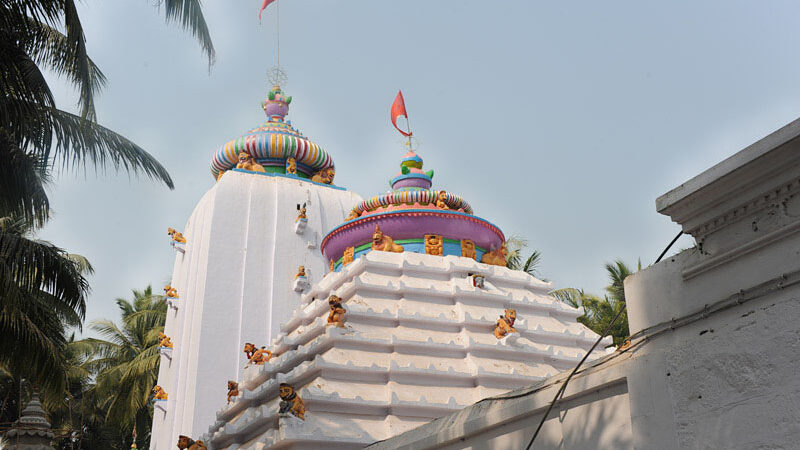
In Odisha’s ancient sacred town of Jajpur, known in tradition as Viraja Kshetra, Maa Biraja Devi is worshipped as a powerful form of the Divine Mother. Her temple is one of the region’s most revered Shakti shrines, set amid a landscape of sacred rivers, historic temples and pilgrimage traditions. For devotees, a visit to Biraja Devi is an encounter with the protective power of Durga, the memory of Goddess Sati and the living spiritual heritage of Odisha.
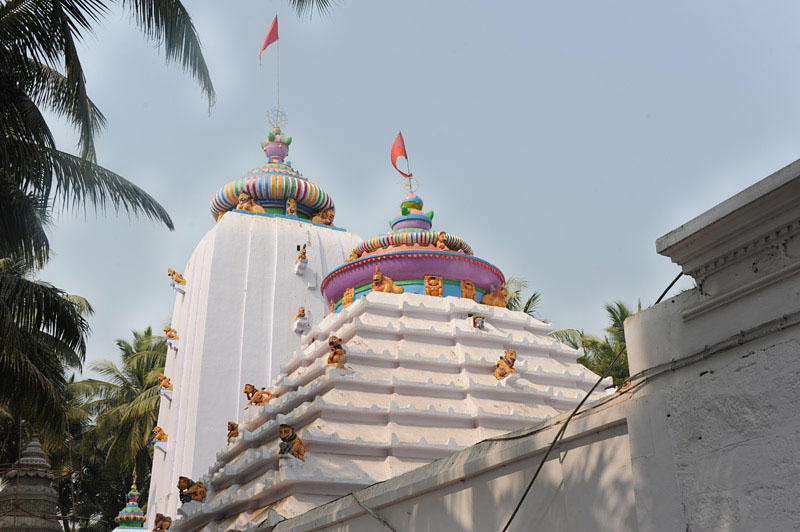
Biraja Devi is revered among the Maha Shakti Peethas. Odisha Tourism identifies the shrine with the navel of Goddess Sati in the traditional account and highlights the Goddess’s distinctive two-armed form subduing Mahishasura. This guide explores the Sthala Puranam, spiritual significance, temple history, worship and festivals, travel planning, nearby attractions and strictly vegetarian Odia food.
At a Glance: Maa Biraja Devi Shakti Peetha
- Presiding deity: Maa Biraja Devi, also known as Viraja, worshipped as a form of Goddess Durga
- Location: Jajpur town, Odisha, India
- Sacred region: Viraja Kshetra, associated with the Vaitarani River and ancestral rites
- Shakti Peetha tradition: Revered among the eighteen Maha Shakti Peethas; the traditional account associates the site with Sati’s navel
- Distinctive iconography: The Goddess appears in a rare two-armed form, subduing Mahishasura with a spear
- Major festival: Sharadiya Durga Puja, including the traditional Biraja Ratha Jatra during the Dussehra period
- Suggested visit: One to two hours for the shrine; allow longer for nearby temples and heritage sites
Sthala Puranam: The Sacred Story of Maa Biraja
Goddess Sati and the origin of the Shakti Peethas
The sacred narrative of the Shakti Peethas begins with Goddess Sati, daughter of Daksha Prajapati and consort of Lord Shiva. When Daksha held a great sacrificial gathering and insulted Shiva, Sati was overcome by grief and indignation. In the traditional account, she gave up her body at the sacrifice.
Shiva, stricken with sorrow, carried Sati’s body through the worlds. To restore cosmic balance, Lord Vishnu used his Sudarshana Chakra to divide the body. The places where parts of Sati’s body or ornaments were believed to have fallen became sacred centres of Shakti worship. Each Peetha is honoured as a place where the Divine Mother’s power is especially present.
Why is Biraja Kshetra associated with Sati’s navel?
Odisha Tourism identifies Biraja Temple as the place where the navel of Goddess Sati is believed to have fallen. The navel can be contemplated as a symbol of life, nourishment and the sustaining centre of the body. In devotional interpretation, this association expresses the Mother’s life-giving energy and her presence at the heart of creation.
Traditional Shakti Peetha lists do not always agree on every site, name or body-part association. This article follows the account presented by Odisha Tourism while acknowledging that variations exist among regional and textual traditions.
Viraja Kshetra and the sacred Vaitarani
Jajpur is also known as Viraja Kshetra and is associated with the sacred Vaitarani River. The region is an important centre for ancestral observances and is sometimes called Nabhi Gaya or a Pitri Tirtha in pilgrimage traditions. Families visit to perform rites in remembrance of departed ancestors, alongside worship at Biraja Temple and nearby shrines.
The sacred landscape of Jajpur extends beyond one temple. The district’s heritage account lists Biraja Temple, Varahanatha Temple, Dasashwamedha Ghat, Jagannath Temple and other places of historical and religious significance. Together they form a wider pilgrimage setting shaped by Shakti worship, Shaiva and Vaishnava traditions, river rituals and Odisha’s long cultural history.
The Unique Form of Maa Biraja Devi
One of Biraja Temple’s most remarkable features is the Goddess’s iconography. Unlike the many-armed form familiar from other Durga images, Maa Biraja is depicted with two arms. She subdues Mahishasura, the buffalo demon, with a spear and is shown holding his tail. This distinctive image presents the Mother as a calm yet formidable force, restoring order by overcoming destructive power.
Local heritage descriptions also note symbols associated with Ganesha, the crescent moon and a Shiva lingam on the Goddess’s crown. Such details should be appreciated through reliable temple or heritage descriptions, and photographs of the consecrated image should be used only where temple rules permit.
The image’s message is not merely one of combat. In the Durga tradition, the defeat of Mahishasura symbolises the victory of dharma over adharma, discernment over ignorance and courage over fear. Maa Biraja’s form invites devotees to seek strength that is guided by compassion and responsibility.
Spiritual Significance of Biraja Shakti Peetha
1. The Mother as protector
Maa Biraja is worshipped as a form of Durga, the Divine Mother who protects the world from destructive forces. Devotees seek her blessings for courage, wellbeing, steadiness of mind and strength through difficult periods. Her victory over Mahishasura reminds worshippers that injustice and arrogance can be overcome through the power of dharma.
2. The navel as a symbol of life
The traditional association with Sati’s navel offers a way to contemplate vitality, nourishment and the centre of life. For a pilgrim, the symbolism can become a reminder to cultivate inner balance, self-discipline and gratitude for the life that sustains us.
3. A sacred centre for ancestral remembrance
Jajpur’s relationship with the Vaitarani and ancestral rites gives the pilgrimage a distinctive dimension. Devotion here may include prayers for the family, remembrance of forebears and observances performed according to family tradition. Those planning pind daan or other rites should seek guidance from the temple or a reputable local priest and confirm the procedure beforehand.
4. A meeting of religious traditions
Odisha Tourism notes that during the ninth-century Bhaumakara period, Tantric Buddhist practitioners worshipped the deity in association with Prajnaparamita. This historical note reflects the region’s complex religious past. It complements, rather than replaces, Biraja Temple’s continuing identity as a major centre of Hindu Shakti worship.
5. Pilgrimage as inner transformation
A visit to the Mother is an opportunity to lay worries before the Divine, express gratitude and renew one’s commitment to truth, courage and compassion. The purpose of pilgrimage is not only to see a sacred place, but also to return home with a calmer mind and a deeper sense of responsibility.
History and Architecture of Biraja Temple
The Odisha Hindu Religious Endowment Commission describes Biraja Temple as an ancient centre of Shakti worship. Its historical account refers to an early temple associated with the Gupta period and a major temple built during the Somavamsi rule under Yayati II. The earlier structure was destroyed during the Afghan conquest in 1568, and the temple was reconstructed and repaired in the nineteenth century under the patronage of a local zamindar, Sudarshan Mohapatra.
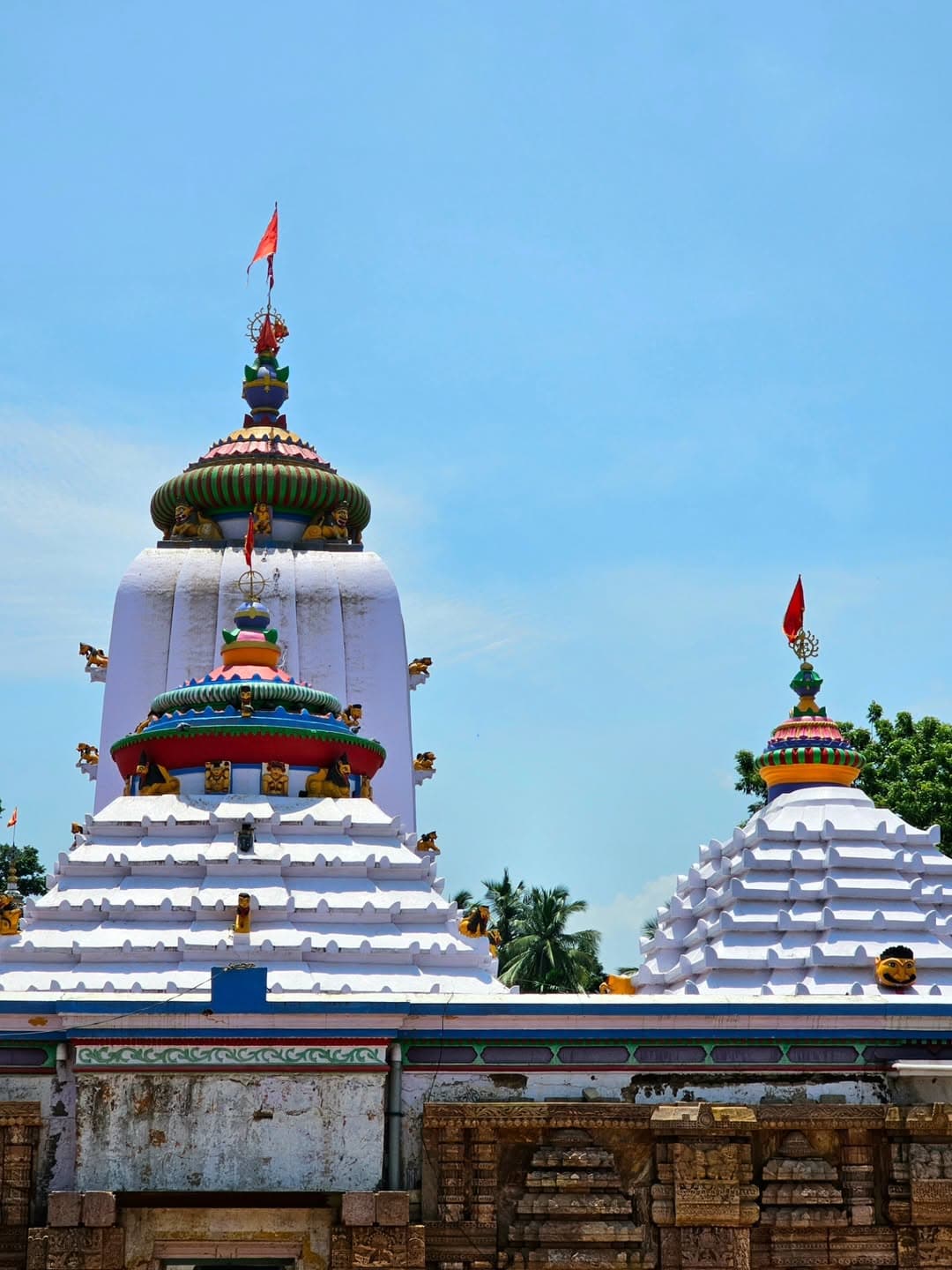
The present temple is described by the Commission as approximately 70 feet high, with a rekha-style shrine tower, a jagamohana and a later Chandi Mandapa used for worship and recitation of the Devi Mahatmya. Sculptural fragments from different historical periods are preserved on the temple walls. These features make the complex significant both as a place of worship and as part of Odisha’s architectural heritage.
The compound contains several additional shrines, including Nabhi Gaya and shrines associated with Shiva and other deities. The lion gate and boundary wall are also noted in the Commission’s description. As the complex is an active place of worship, visitors should follow instructions about access, footwear and photography.
Rituals and Worship at Maa Biraja Temple
Daily worship follows the temple’s established customs. Individual sevas, offerings and timings can vary, especially during major festivals. Confirm current arrangements with the temple before travelling for a particular ritual.
- Darshan: Devotees come to offer prayers and receive the Mother’s blessings. Follow the queue system and instructions given by temple staff.
- Archana and traditional offerings: Flowers and other offerings may be accepted according to temple practice. Ask locally which items are permitted and whether a particular seva requires advance arrangements.
- Aarti and Devi Mahatmya recitation: Lamp worship and recitation of sacred Devi texts are part of the wider tradition of Goddess worship; ask the temple about the current daily schedule.
- Special pujas: If you wish to arrange a specific puja or seva, contact the temple or authorised priests rather than relying on an unverified online schedule.
- Ancestral rites at Nabhi Gaya and the Vaitarani: Families intending to perform pind daan or related rites should confirm the location, ritual materials, priest arrangements and timings in advance.
- Pradakshina: Circumambulation may be performed where the temple layout and local custom permit. Respect any restricted areas.
Darshan timings: Odisha Tourism lists a morning session of approximately 5:30 AM to 1:00 PM and an evening session from 3:00 PM to 9:00 PM. The Odisha Hindu Religious Endowment Commission lists the temple as open from 5:30 AM to 9:30 PM. Since published schedules differ, confirm the current timing directly before travel, especially on festival days.
Festivals: Durga Puja, Navaratri and Biraja Ratha Jatra
Sharadiya Durga Puja
Durga Puja is a major period of worship at Biraja Temple and across Odisha. Devotees honour the Goddess through special prayers and customary observances. The festival celebrates the victory of divine strength over destructive forces and brings the community together in devotion.
Navaratri
The nine nights dedicated to the Goddess are an auspicious time for Shakti worship. Visitors can experience the devotional atmosphere, but should plan for increased crowds, queues and possible changes to normal access.
Biraja Ratha Jatra
A distinctive local tradition is the Biraja Ratha Jatra during the Dussehra period. Odisha Tourism describes the Goddess’s chariot as Singhadhwaja and notes the procession through the town. The celebration expresses the bond between the deity and the community, carrying the Mother’s presence beyond the temple precinct.
Planning for festival days
Festival dates follow the Hindu calendar and the temple’s announced programme. Confirm the year’s schedule, traffic arrangements and any restrictions before booking accommodation or transport.
How to Reach Maa Biraja Devi Shakti Peetha
Jajpur is in Odisha and is connected by rail and road. Odisha Tourism identifies Bhubaneswar’s Biju Patnaik International Airport as the nearest major airport and Jajpur Keonjhar Road as the principal railway station for visitors.
- By air: Fly to Biju Patnaik International Airport, Bhubaneswar, and continue to Jajpur by road. Odisha Tourism lists the airport at approximately 102 km from the Jajpur destination area; actual distance and journey time depend on the route and destination point.
- By train: Use Jajpur Keonjhar Road railway station and arrange onward transport to Jajpur town. Check the station name and connection carefully when booking, as the rail station is outside the town centre.
- By road: Jajpur is accessible from Bhubaneswar, Cuttack and other Odisha towns through the regional road network, including National Highway 16. Taxis, buses and private vehicles are common options.
- Local travel: Auto-rickshaws and local taxis can help connect the temple with nearby sites. Festival traffic may increase journey times.
Best time to visit
October to March is generally recommended by Odisha Tourism for exploring Jajpur. Durga Puja and Dussehra are particularly meaningful for devotees, but may also be the busiest periods. If you prefer a quieter visit, consider travelling outside major festival dates.
Practical pilgrimage checklist
- Confirm darshan timings and any special puja arrangements.
- Book train tickets and accommodation early for major festivals.
- Arrange transport from Jajpur Keonjhar Road station before arrival.
- Wear modest clothing and follow temple rules about footwear and photography.
- Carry drinking water, sun protection and essential medicines.
- Allow extra time if performing ancestral rites or visiting several temples.
Other Attractions Near Biraja Temple
- Varahanatha Temple: A major sacred landmark in Jajpur, dedicated to Lord Varaha. It is a natural addition to a temple-focused itinerary.
- Dasashwamedha Ghat and the Vaitarani River: The riverfront is associated with pilgrimage and ancestral rites. Follow local instructions and safety guidance near the water.
- Jagannath Temple, Jajpur: A further place of worship within the town’s rich sacred landscape.
- Trilochaneswar Temple: A Shiva shrine included among the historic religious places of the Jajpur region.
- Chhatia Bata: An important religious destination in the wider Jajpur area. Check travel time and current access arrangements before visiting.
- Ratnagiri Buddhist Complex: An important Buddhist heritage site known for monastic remains and archaeological history. It is an excursion rather than a stop immediately beside Biraja Temple.
- Udayagiri Buddhist Complex: A historic monastic landscape that can be included in a longer heritage itinerary.
- Lalitagiri Buddhist Complex: Another significant Buddhist archaeological site in the region, best planned with sufficient transport time.
- Killa Aali Palace: A heritage attraction listed by Odisha Tourism among places in the wider Jajpur region; confirm access before planning a visit.
For a one-day pilgrimage, prioritise Biraja Temple, Varahanatha Temple and the Vaitarani riverfront. The Buddhist Diamond Triangle is better suited to a longer itinerary.
Strictly Vegetarian Food in Jajpur
Odia cuisine offers comforting rice dishes, lentils, seasonal vegetables and traditional sweets. The dishes below are vegetarian in their customary forms. However, a restaurant serving vegetarian dishes is not automatically an exclusively vegetarian kitchen. If you require strictly vegetarian preparation, verify directly that the establishment does not prepare meat, fish or eggs and ask about shared utensils, cooking surfaces and frying oil. We have not listed any restaurant as strictly vegetarian without reliable confirmation.
- Dalma: A beloved Odia preparation of lentils and vegetables, seasoned with regional spices. It is a hearty meal with rice.
- Santula: A vegetable dish that can be prepared in a light boiled or sautéed style. Recipes vary by household and restaurant.
- Pakhala: Rice served with water or in a fermented preparation, often accompanied by vegetables. Ask about the preparation and freshness if you prefer non-fermented food.
- Besara: A mustard-based preparation used for vegetables and other ingredients. Request a vegetarian version and confirm the ingredients.
- Saga bhaja: Seasonal leafy greens prepared simply, often served with rice and dal.
- Kanika: A fragrant, mildly sweet rice preparation associated with festive Odia cuisine. Recipes differ, so ask about the ingredients.
- Khichdi: Rice and lentils cooked together, a gentle and convenient meal for pilgrims.
- Dal, rice and vegetable curry: A practical everyday option when you want a simple meal between temple visits.
- Chhena poda: A celebrated Odia sweet made from chhena and sugar. Ask about the recipe and any ingredients relevant to your dietary requirements.
- Pitha: Traditional rice-based cakes and snacks with many regional varieties. Confirm fillings and cooking methods.
- Rasabali, chhena jhili and other sweets: Popular Odia desserts, usually based on chhena or milk preparations; ingredients vary by maker.
How to choose a strictly vegetarian meal
Prefer a trusted pure-vegetarian establishment or a verified vegetarian hotel kitchen. Ask explicitly whether meat, fish and eggs are prepared on the premises and whether separate utensils and frying oil are used. If your observance is sattvic and excludes onion or garlic, mention that separately. Restaurant listings and menus can change, so confirm current details directly instead of relying on an unverified name or online review.
Suggested One-Day Pilgrimage Itinerary
- Early morning: Arrive at Maa Biraja Temple and complete darshan according to the current schedule.
- Morning: Explore the permitted areas of the temple complex and learn about its architecture and associated shrines.
- Late morning: Visit Varahanatha Temple or another nearby shrine. If you plan ancestral rites, arrange them in advance and allow enough time.
- Lunch: Enjoy a vegetarian Odia meal after confirming the kitchen’s strict vegetarian status.
- Afternoon: Visit Dasashwamedha Ghat or the Jagannath Temple in Jajpur, depending on opening hours and local transport.
- Optional extension: Save Ratnagiri, Udayagiri and Lalitagiri for a longer trip, rather than rushing through the archaeological sites in one day.
Frequently Asked Questions
Where is Maa Biraja Devi Shakti Peetha?
It is located in Jajpur town, Odisha, in the historic region known as Viraja Kshetra.
Which part of Goddess Sati is associated with Biraja Temple?
Odisha Tourism identifies the site with the navel of Goddess Sati in the traditional account. Some Shakti Peetha lists vary in their descriptions, so the association is best presented as a sacred tradition rather than a universally uniform account.
What is unique about Maa Biraja Devi’s image?
The Goddess is depicted in a distinctive two-armed form subduing Mahishasura with a spear. This differs from the many-armed Durga iconography familiar at other shrines.
What are the temple timings?
Odisha Tourism lists approximately 5:30 AM–1:00 PM and 3:00 PM–9:00 PM, while the Odisha Hindu Religious Endowment Commission lists 5:30 AM–9:30 PM. Confirm current timings directly before travelling.
When is Biraja Ratha Jatra celebrated?
Odisha Tourism associates the Ratha Jatra with the Dussehra period. Check the temple’s current annual programme for exact dates and arrangements.
Can I find strictly vegetarian food in Jajpur?
Vegetarian Odia dishes are widely known, but kitchen practices vary. If you require an exclusively vegetarian kitchen, verify the establishment’s policy directly before ordering.
Closing Prayer to Maa Biraja Devi
Maa Biraja, compassionate Mother of Viraja Kshetra, bless every pilgrim with courage, clarity and peace. May your protective strength help us overcome fear and ignorance, and may your grace inspire us to live with compassion, humility and dharma. May the sacred traditions of Jajpur continue to guide generations toward devotion and wisdom.
Jai Maa Biraja Devi!
Sources and Further Reading
- Odisha Tourism: Maa Biraja Temple, Jajpur
- Odisha Hindu Religious Endowment Commission: Biraja Temple
- Odisha Tourism: Jajpur heritage, attractions and cuisine
- Jajpur District Administration: Culture and Heritage
- Wikimedia Commons: Temple photograph by Odisha1, CC BY-SA 3.0
- Wikimedia Commons: Temple photograph by Ashok3932, CC0 1.0