In the Kangra hills of Himachal Pradesh, Maa Jwalamukhi is worshipped through sacred flames rising from fissures in the rock. Here the Divine Mother is not represented by a conventional sculpted idol: the jyotis themselves are the focus of devotion, revered as the living presence of Shakti.
Introduction: Jwalayam Vaishnavi Devi
The phrase “Jwalayam Vaishnavi Devi” in the Ashtadasha Shakti Peetha Stotram is commonly connected in this Shakti Peetha tradition with Jwalamukhi, also called Jwala Ji, in Jwalamukhi town, Kangra district, Himachal Pradesh. The wording is significant: the Goddess is worshipped here as flame, not through a conventional central murti. Different lists and regional traditions sometimes identify Peethas differently, so this article explains the widely followed Jwalamukhi association without claiming that every list is identical.
The name Jwalamukhi is commonly understood as “the flame-mouthed Goddess.” The shrine’s natural flames are revered as manifestations of the Divine Mother. They are not simply a tourist spectacle but the centre of an active place of worship.
Quick Facts
- Deity: Maa Jwalamukhi, identified with Vaishnavi in the stotram tradition discussed here
- Location: Jwalamukhi town, Kangra district, Himachal Pradesh
- Shakti Peetha tradition: Associated with the place where Sati’s tongue is believed to have fallen
- Distinctive feature: Natural flames worshipped as sacred jyotis
- Major observances: Chaitra and Sharad Navaratri, and local Jwalamukhi fairs
Sthala Puranam: The Sacred Story of Goddess Sati
Daksha’s yajna and Sati’s sacrifice
The traditional origin story of the Shakti Peethas begins with Goddess Sati, daughter of Daksha Prajapati and consort of Lord Shiva. Daksha organised a great sacrificial ritual but did not honour Shiva. Sati attended despite the slight and was deeply distressed by the disrespect shown to her husband. In the sacred narrative, she gave up her body at the sacrificial gathering.
Overwhelmed by grief, Shiva carried Sati’s body and wandered in sorrow, disturbing cosmic balance. To restore order, Lord Vishnu used the Sudarshana Chakra to divide the body. The places where the sacred parts are believed to have fallen became Shakti Peethas, honoured as places where the Divine Mother’s presence is especially powerful.
Why is Jwalamukhi associated with Sati’s tongue?
In the tradition associated with Kangra, Sati’s tongue fell at Jwalamukhi. The tongue evokes speech, sound, mantra and the power of expression. At a shrine where the Goddess is worshipped as flame, this association invites reflection on the illuminating power of sacred speech and prayer. This is a devotional belief, not a claim that the mythological account can be historically verified.
The Sacred Flames: Why Jwalamukhi Has No Conventional Idol
The defining feature of Jwalamukhi Temple is the worship of natural flames emerging from fissures in rock within the sanctum. Rather than a conventional sculpted image, devotees offer prayers to these jyotis as manifestations of the Goddess. Descriptions of the number and names of the flames can vary between accounts; follow the interpretation given by temple authorities.
The flames are understood as symbols of illumination, purity, power and transformation. From a physical perspective, the flames are commonly described as being sustained by combustible gas emerging from the rock; their sacred meaning belongs to the temple’s living religious tradition. These are different ways of describing the same remarkable site and should not be confused.
Visitors should never touch or interfere with the flames. Follow all directions concerning offerings, movement within the sanctum and photography. Do not assume photography is permitted inside sacred areas.
A Local Legend: The Discovery of the Jyotis
Local temple lore tells of a ruler, often named Bhumi Chand, who learned of a sacred flame in the area after hearing accounts of a divine presence. When the place was investigated, flames were found emerging from the earth, and a shrine was established to honour the Goddess. This is a traditional origin story preserved through religious narrative, distinct from independently documented temple history.
Another well-known local story recounts that Emperor Akbar attempted to test or extinguish the flames and later offered a parasol to the Goddess. The details belong to temple lore and should be presented as tradition rather than as an independently verified historical report.
Spiritual Significance of Maa Jwalamukhi
- The Goddess as eternal light: The jyotis are revered as the living presence of Shakti, reminding devotees that divine presence is not limited to a human-shaped image.
- The power of speech: The traditional association with Sati’s tongue invites reflection on truthful, compassionate and responsible speech.
- Flame as transformation: Fire illuminates darkness and transforms what it touches; spiritually, the flame can represent courage, clarity and inner change.
- A living centre of Shakti worship: Daily worship and festival observances continue at this active temple.
- Nature and sacredness: The natural flames unite the physical landscape with a deeply held devotional interpretation.
Temple Architecture and Sacred Setting
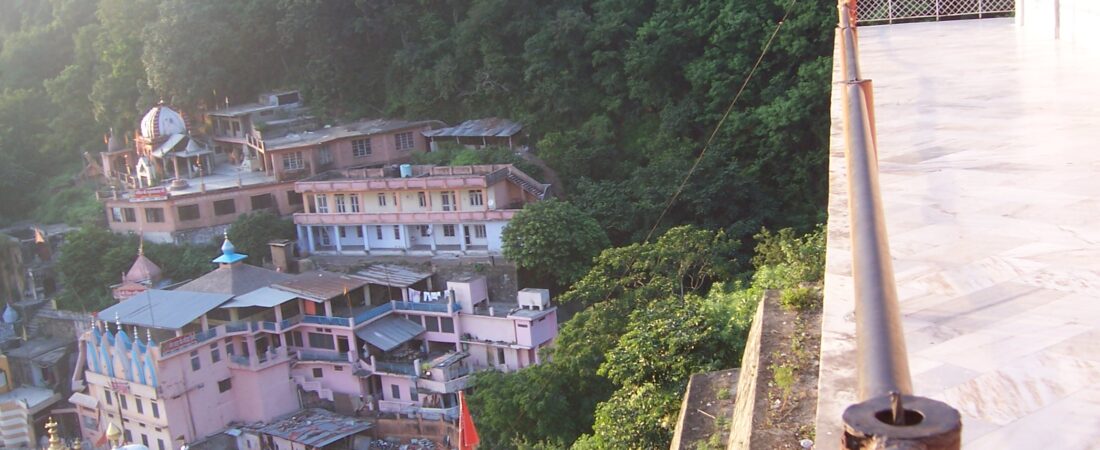
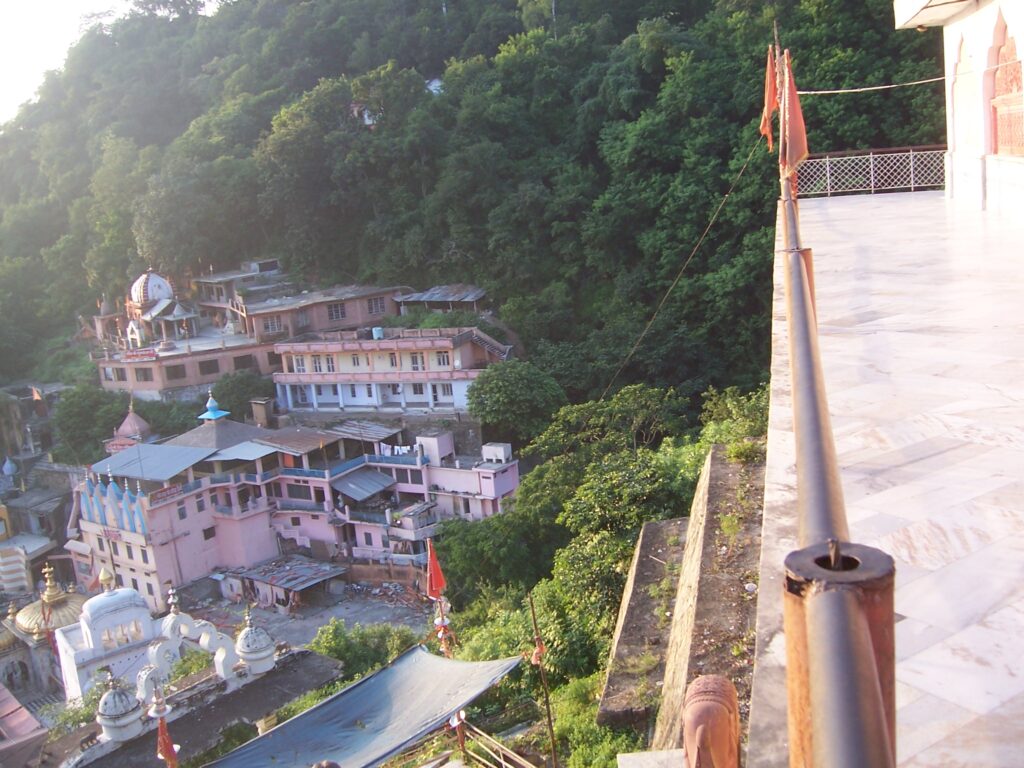
The temple complex sits within the hill town of Jwalamukhi, surrounded by the landscapes of the Kangra region. The shrine is known for its distinctive domed elements and metalwork, with a sanctum centred on the sacred flames. The wider complex contains additional shrines and facilities used by pilgrims. Its importance rests not only on architecture, but on the continuity of worship and the experience of darshan.
Rituals and Worship
Daily worship and aarti are conducted according to the temple’s own tradition. Exact timings, access arrangements and offerings can change by season or festival. Confirm the current schedule directly with temple authorities before travelling, especially if you wish to attend a particular aarti.
- Darshan of the jyotis: Devotees approach the sacred flames in the manner directed by temple staff.
- Prayers and offerings: Flowers, fruits and other traditional offerings may be subject to temple rules. Ask which offerings are permitted.
- Mantra and contemplation: Devotees may offer a simple prayer such as “Om Jwalamukhyai Namah.” For formal ritual procedures, follow a qualified priest or established family tradition.
- Aarti: Aarti is an important devotional observance. Verify current timings, which may vary.
- Respectful conduct: Dress modestly, follow the queue, obey security directions and ask before photographing any ritual or sanctum.
Festivals: Navaratri at Jwalamukhi
Chaitra and Sharad Navaratri honour the many forms of the Divine Mother through prayer, devotional singing, fasting according to personal tradition and temple visits. Jwalamukhi draws many pilgrims during both spring and autumn Navaratri. Local fairs and special arrangements may also be held. Confirm the programme and timings for your travel year.
Festival periods can bring large crowds, traffic controls and longer waiting times. Book accommodation early, carry water and essential medication, keep belongings secure and allow additional time. For a quieter darshan, consider visiting outside major festival dates.
How to Reach Jwalamukhi Devi Shakti Peetha
- By air: Kangra Airport at Gaggal, serving the Dharamshala region, is one option. Arrange a road transfer to Jwalamukhi and check current flight availability.
- By train: Jwalamukhi Road at Ranital is a narrow-gauge rail option some distance from the temple town; onward road transport is needed. Pathankot and other regional rail connections may suit some itineraries. Verify the actual station and transfer before booking.
- By road: Jwalamukhi is connected by road with Kangra, Dharamshala and other towns in Himachal Pradesh. Buses, taxis and private vehicles are common options. Journey times and road conditions vary.
- Timings: Published hours are indicative only and may differ by season and source. Confirm current darshan and aarti timings directly.
- Best time: Spring and autumn are popular for pilgrimage. Navaratri is especially significant but busier. Check weather and road conditions before travel.
Practical travel checklist
- Confirm darshan and aarti timings with the temple.
- Check road conditions and transport connections.
- Book accommodation early during Navaratri.
- Wear modest clothing and comfortable footwear.
- Carry water and personal essentials.
- Follow instructions around the sanctum and sacred flames.
- Ask permission before taking photographs.
Nearby Places to Explore
Chamunda Devi Temple
Chamunda Devi is another important Devi shrine in the Kangra region. Its traditions differ from Jwalamukhi’s flame worship, making it a meaningful additional stop for pilgrims exploring regional Shakti traditions. Confirm current timings and route conditions.
Vajreshwari Devi Temple, Kangra
Vajreshwari Devi Temple is a major Goddess shrine in Kangra town and can be included in a wider regional pilgrimage. Plan transport carefully, as it is not immediately beside Jwalamukhi.
Kangra Fort
Kangra Fort is an important historic site for travellers interested in regional architecture and history. Check opening hours, access restrictions and travel time before adding it to your itinerary.
Chintpurni Temple
Chintpurni is a well-known Shakti shrine in Himachal Pradesh. Some pilgrims combine it with Jwalamukhi and other Devi temples, but distances make it important to plan a realistic route.
Kangra Valley
The wider valley is known for mountain scenery, tea-growing areas and cultural heritage. If time permits, allow a relaxed day to appreciate the region rather than packing too many stops into one journey.
Strictly Vegetarian Food Near Jwalamukhi
Vegetarian North Indian and Himachali-style meals are available in the region, but individual kitchens differ. The dishes below are vegetarian suggestions, not a guarantee that every restaurant is exclusively vegetarian. Ask about ingredients, cooking oil, stock, eggs and shared utensils if these matter to you.
- Rajma-chawal: Kidney beans in a spiced gravy served with rice.
- Chana masala: Chickpeas cooked with spices, usually served with roti or rice.
- Dal and roti: A familiar, filling vegetarian meal.
- Aloo paratha: Flatbread stuffed with potato, often served with curd or pickle.
- Kadhi-chawal: A yogurt-based curry thickened with gram flour and served with rice; recipes vary.
- Madra: A Himachali preparation often made with legumes in a yogurt-based gravy. Confirm the exact recipe.
- Seasonal pahadi vegetables: Local vegetable dishes may be available depending on the season.
- Halwa and other sweets: Ask about ingredients and preparation.
Restaurant guidance: Menus and business listings change, so this article does not present unverified establishments as guaranteed pure-vegetarian kitchens. Choose a clearly labelled vegetarian restaurant, verify current hours and menu, and ask whether meat, fish or eggs are prepared on the premises. If you prefer sattvic food without onion and garlic, specify that separately. For prasad, follow the temple’s own guidance.
Suggested One-Day Jwalamukhi Pilgrimage
- Early morning: Arrive in Jwalamukhi and confirm the day’s darshan arrangements.
- Morning: Visit Maa Jwalamukhi Temple and spend time in prayer, following the sanctum’s instructions.
- Lunch: Choose a verified vegetarian meal near the temple.
- Afternoon: Rest or visit a nearby attraction if transport and time allow.
- Evening: Attend evening aarti if it fits the confirmed schedule, then return to your accommodation.
During Navaratri or other busy observances, crowds and access arrangements may require a shorter or differently ordered itinerary.
Frequently Asked Questions
Why is Jwalamukhi associated with Vaishnavi in the stotram?
The phrase “Jwalayam Vaishnavi Devi” is commonly interpreted in this Shakti Peetha tradition as referring to the Goddess at the flame shrine of Jwalamukhi. As with other Peetha lists, regional identifications can vary, so the interpretation should be stated as a tradition rather than as a universally agreed identification.
Why is Jwalamukhi called a Shakti Peetha?
In the local tradition, the site is associated with the place where Sati’s tongue is believed to have fallen.
Is there an idol of Maa Jwalamukhi?
The main focus of worship is the natural sacred flames emerging from rock fissures, rather than a conventional central sculpted idol.
Are the flames natural?
The flames are commonly described as being sustained by combustible gas emerging from the rock. Devotees also understand them as manifestations of the Goddess; the geological description and sacred interpretation address different aspects of the site.
Can I photograph the sacred flames?
Do not assume photography is allowed inside the sanctum. Follow current instructions from temple authorities and avoid disrupting worship.
Can I find strictly vegetarian food?
Vegetarian dishes are available in the region, but kitchen practices vary. Confirm ingredients and whether non-vegetarian food is prepared on-site if you require a fully vegetarian kitchen.
Sources and Further Reading
- District Kangra, Government of Himachal Pradesh
- Hindu Scriptures: Jwalamukhi — traditions, rituals and regional context
- Greenmesg: Shakti Peethas text and translation, with note on variations
- Wikimedia Commons: Jwala Mukhi Temple photograph by Mani kopalle
- Creative Commons Attribution-ShareAlike 3.0 licence
Image credit: Jwala Mukhi Temple, photograph by Mani kopalle, via Wikimedia Commons original file page, licensed under CC BY-SA 3.0. Any generated artwork used alongside it must be captioned as an artistic illustration, not as a photograph of the actual sanctum or flames.
Indian Ethos presents this guide for cultural and pilgrimage education. Local rituals, darshan timings, transport connections and food practices can change; confirm current details with temple authorities and official travel sources before your visit.