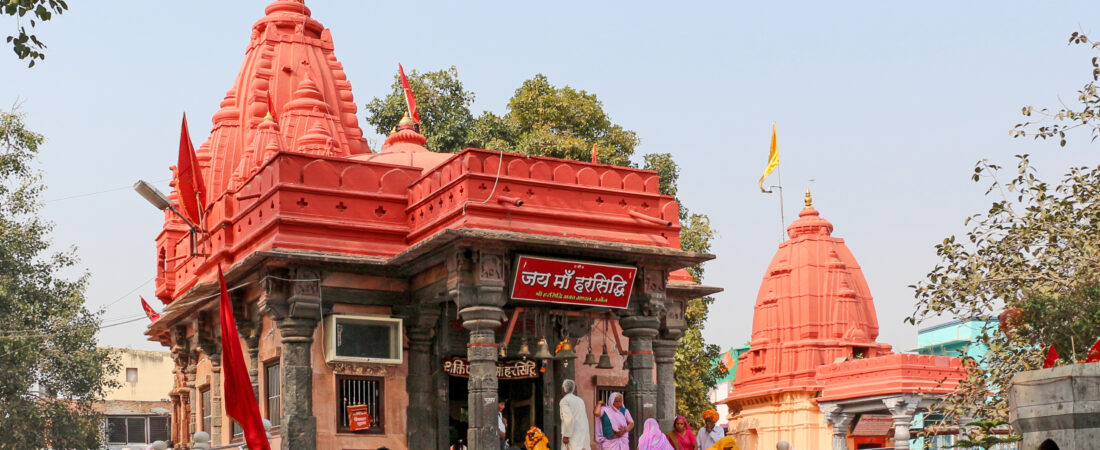
In ancient Ujjain, where the sacred Shipra flows and the bells of Mahakaleshwar call devotees toward the divine, the presence of the Mother is felt with equal tenderness and power at Harsiddhi Mata Temple. Revered in Ujjain’s Shakti tradition and associated by many devotees with Mahakali, this shrine invites pilgrims to experience the fierce protection, maternal grace and spiritual strength of the Divine Feminine.
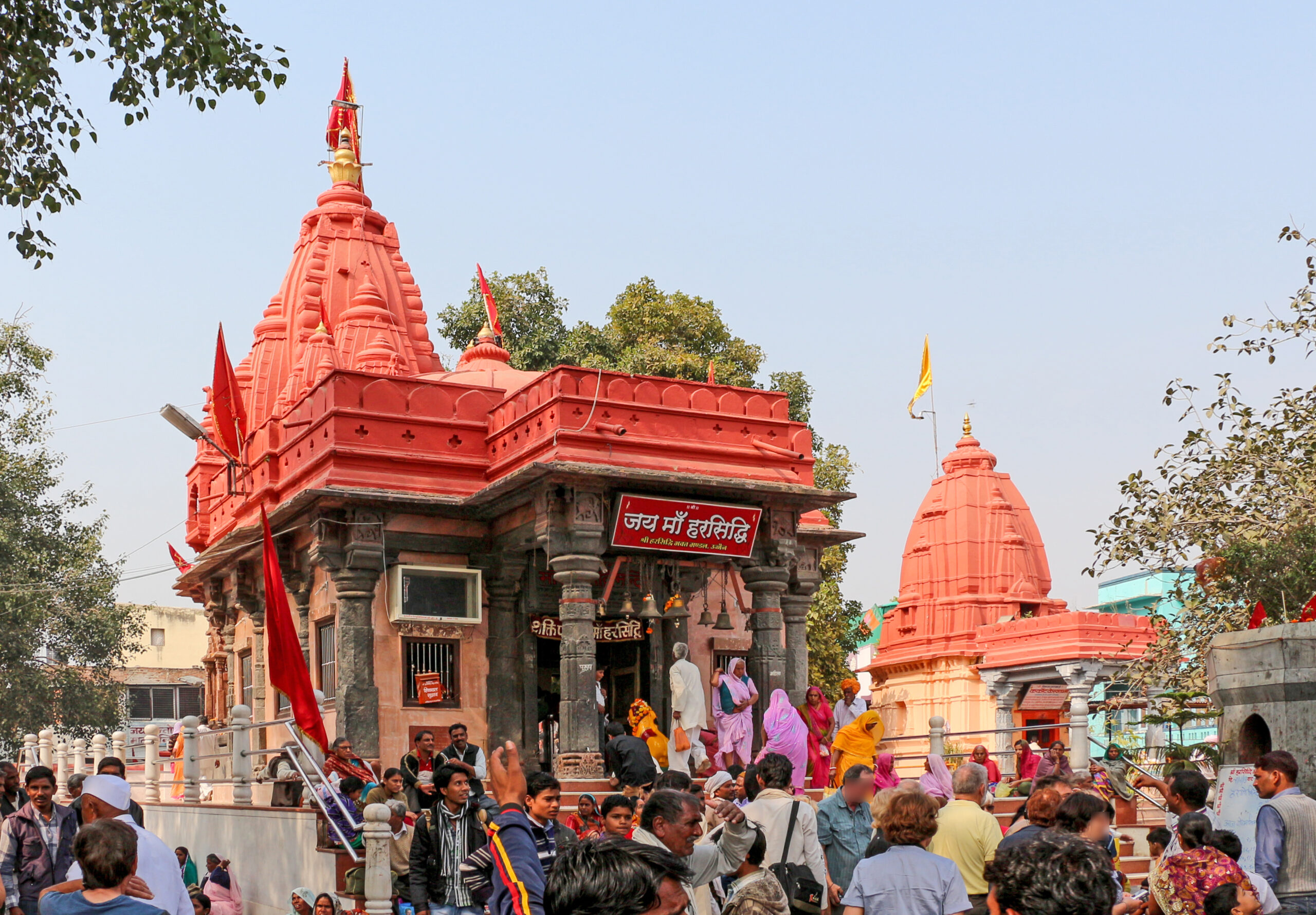
For devotees searching for the Mahakali Shakti Peetha in Ujjain, the important local shrine to know is Harsiddhi Mata Temple. The temple’s own identity, legends and traditions deserve to be understood on their own terms; different Shakti Peetha lists sometimes vary in the names and locations they include.
At a Glance: Harsiddhi Mata Temple, Ujjain
- Temple: Shri Harsiddhi Mata Temple
- Location: Ujjain, Madhya Pradesh, India
- Presiding Goddess: Harsiddhi Mata, worshipped as a powerful form of the Divine Mother
- Tradition: A revered Shakti shrine associated with the Shakti Peetha tradition
- Distinctive features: The shrine of Annapurna, Mahalakshmi and Mahasaraswati, the sacred Shri Yantra, and two tall Deep Stambhas
- Ideal visit: Combine the temple with Mahakaleshwar Jyotirlinga and other sacred sites of Ujjain
Sthala Puranam: The Sacred Legend of Harsiddhi Mata
Every ancient temple carries a story that is remembered not only through words but through generations of worship. At Harsiddhi Mata Temple, two strands of sacred tradition are especially important: the wider story of Goddess Sati and the local legend explaining the name Harsiddhi.
The Shakti Peetha tradition and Goddess Sati
According to the widely cherished Puranic narrative, Goddess Sati, daughter of Daksha Prajapati and consort of Lord Shiva, gave up her body after being deeply dishonoured at her father’s sacrificial gathering. Overcome with grief, Shiva carried Sati’s body as he moved through the worlds. To restore cosmic balance, Lord Vishnu used his Sudarshana Chakra, and the places where parts of Sati’s body were believed to have fallen became sacred centres of Shakti worship.
The Ujjain district’s official account of Harsiddhi Temple records the local belief that Sati’s elbow fell at this place. As with many sacred geography traditions, descriptions can differ between texts and regional lists; pilgrims may honour the living tradition while recognising that lists are not entirely uniform.
How the Goddess came to be called Harsiddhi
A legend preserved in the Skanda Purana tradition tells of Chand and Prachand, two demons who tried to intrude upon Lord Shiva and Goddess Parvati on Mount Kailasa. Shiva called upon Goddess Chandi to protect them. The Goddess defeated the demons, and Shiva praised her as Harsiddhi—the one who grants success or brings fulfilment by overcoming obstacles. The name expresses the faith that the Mother protects those who approach her with humility, courage and devotion.
Popular local tradition also remembers King Vikramaditya as a devoted worshipper of Harsiddhi Mata. Such accounts form part of Ujjain’s rich devotional memory and are best understood as sacred tradition rather than as claims that can all be independently verified as historical events.
Spiritual Significance: The Mother Who Protects and Empowers
Harsiddhi Mata represents the dynamic power of Shakti: protective when darkness threatens, compassionate toward the sincere devotee, and empowering when the mind feels uncertain. Her worship reminds devotees that spiritual strength is not merely the absence of difficulty; it is the courage to face difficulty with faith, discernment and responsibility.
The temple’s sacred arrangement includes the Goddess Annapurna, associated with nourishment and abundance, as well as Mahalakshmi and Mahasaraswati, associated respectively with prosperity and wisdom. Together, these forms express a holistic vision of the Divine Mother: she sustains life, grants insight and gives strength to act rightly. The enshrined Shri Yantra is a geometric symbol of Shakti and a focus for contemplation in the Shakta tradition.
For pilgrims visiting both Harsiddhi Mata and Mahakaleshwar Jyotirlinga, the journey can feel like a meeting of Shiva and Shakti—the stillness of consciousness and the power that animates creation. This is a devotional interpretation that many pilgrims find meaningful, rather than a substitute for each temple’s distinct ritual tradition.
Temple Architecture and the Deep Stambhas
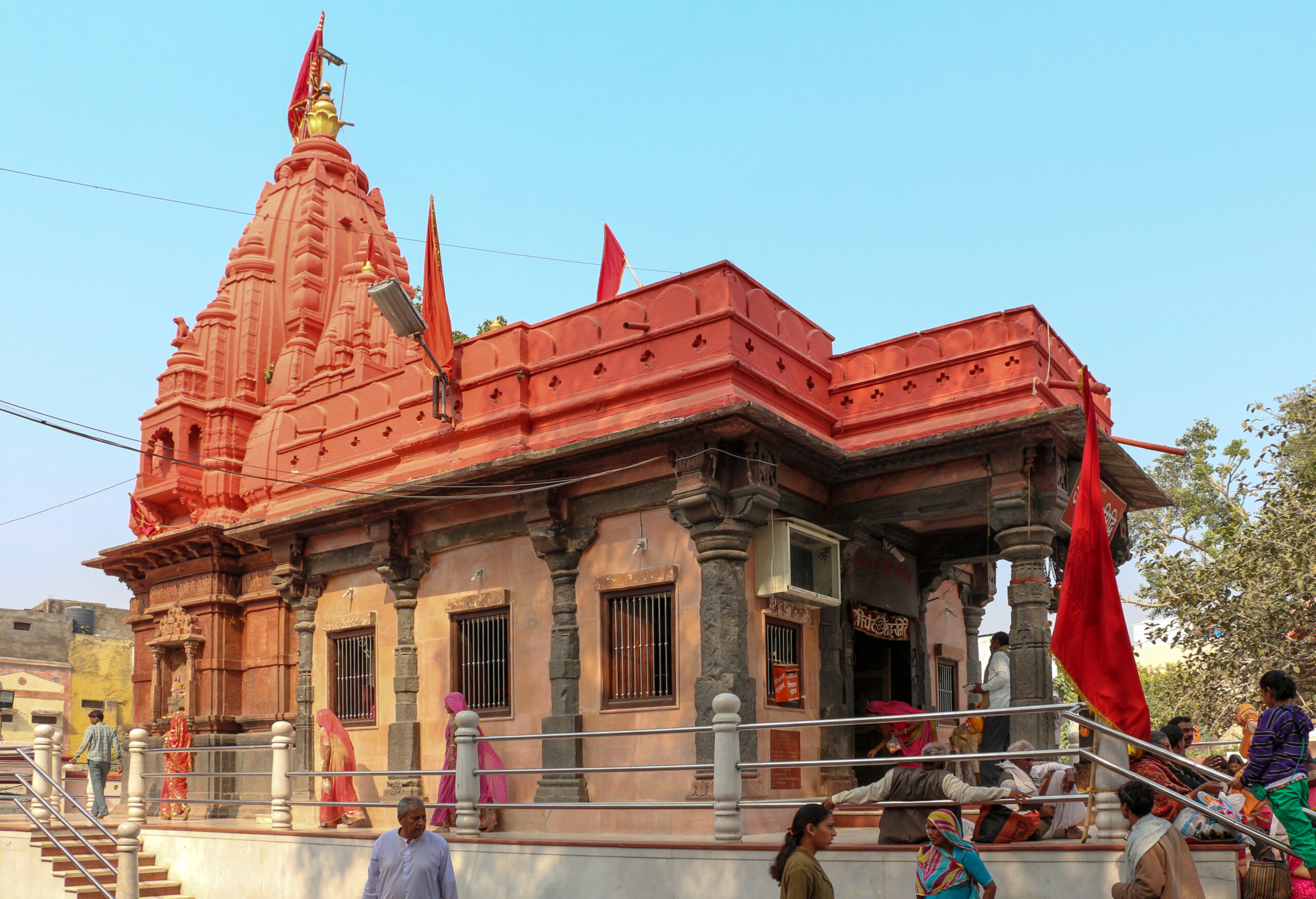
The temple’s two tall lamp pillars, known as Deep Stambhas, are among its most memorable features. During Navratri, their lamps are lit and the courtyard becomes a luminous expression of collective devotion. The temple is associated with Maratha-period rebuilding and design influences, while its sacred stories reach much further back in the devotional imagination of Ujjain.
Visitors should pause to observe the pillars respectfully and follow instructions about photography, movement and offerings. The temple is a place of active worship, not simply an architectural monument.
Rituals and Worship at Harsiddhi Mata Temple
Devotees generally visit for darshan, prayer, offerings and aarti. Exact schedules and permitted offerings may change on festival days, so confirm locally before planning around a particular ritual.
- Darshan: Devotees offer prayers to Harsiddhi Mata and seek blessings for courage, wellbeing and the removal of obstacles.
- Aarti: The waving of lamps accompanied by devotional singing is a central expression of reverence. Ask temple staff for the current morning and evening timings.
- Offerings and naivedya: Flowers, coconuts, fruits and other offerings may be accepted according to temple practice. Follow the instructions displayed at the shrine and avoid bringing items that are not permitted.
- Shri Yantra worship: The sacred yantra is an important symbol of Shakti. Worship and contemplation should follow the temple’s established practice; visitors should not assume that every ritual is open to public participation.
- Navratri worship: The temple is especially vibrant during the nine nights dedicated to the Goddess, when devotees gather for prayers and the Deep Stambhas are a striking sight.
- Personal prayer: Many pilgrims offer a simple sankalpa—a sincere intention—for family wellbeing, clarity, courage or spiritual growth.
Practical note: Publicly available tourism pages may list indicative opening hours, but temple timings can change. Check the temple locally on the day of your visit, particularly during Navratri and other major observances.
Festivals: When Ujjain Glows with Devotion
Sharad Navratri and Chaitra Navratri
Navratri is one of the most auspicious times to worship the Goddess. Harsiddhi Mata Temple draws devotees for darshan, prayers and the spectacle of the illuminated lamp pillars. Crowds can be substantial, so arrive early, allow extra time for security and queues, and make arrangements for elderly family members before setting out.
Durga Ashtami and Vijayadashami
These days celebrate the victory of divine strength over destructive forces. Families may observe fasting, recite Devi prayers and offer traditional vegetarian naivedya according to their household customs.
Ujjain’s wider sacred calendar
Mahashivaratri, Shravan observances and other major occasions bring large numbers of pilgrims to Ujjain, especially to Mahakaleshwar. If your trip coincides with a major festival or Simhastha Kumbh gathering, book accommodation early and check local traffic and access advisories.
How to Reach Harsiddhi Mata Temple, Ujjain
Ujjain is a major pilgrimage city in Madhya Pradesh and is well connected by rail and road. Harsiddhi Mata Temple lies within the city’s sacred temple area, making it convenient to combine with other nearby shrines.
- By train: Ujjain Junction is the principal railway station serving the city. From the station, use a local taxi, auto-rickshaw or other authorised transport to reach the temple area.
- By air: Indore’s Devi Ahilya Bai Holkar Airport is the main practical airport for many visitors travelling to Ujjain. Continue by road and allow for traffic, especially on festival days.
- By road: Ujjain is connected to Indore and other cities in Madhya Pradesh by road. Buses, taxis and private vehicles are common options.
- Within the old city: Temple lanes may be congested and vehicle access can be restricted at busy times. Follow local traffic directions and be prepared to walk part of the route.
Nearby Spiritual and Cultural Attractions
Ujjain rewards a thoughtful itinerary: sacred temples, riverfront rituals, historic observatories and quiet places for reflection are woven into the city.
- Mahakaleshwar Jyotirlinga Temple: One of the twelve revered Jyotirlingas and a principal pilgrimage destination in Ujjain. Bhasma Aarti requires advance booking and compliance with current temple rules.
- Mahakal Lok Corridor: A landscaped devotional corridor with sculptural storytelling, designed as an expansive approach to the Mahakaleshwar complex. Check current entry arrangements and timings.
- Ram Ghat on the Shipra River: A well-known riverfront for prayer, ritual bathing and evening lamps. Observe safety instructions and local guidance near the water.
- Kal Bhairav Temple: A distinctive and important shrine in Ujjain’s religious landscape, traditionally associated with the fierce guardian form of Shiva.
- Mangalnath Temple: A temple associated in local tradition with Mangal (Mars) and astrological worship.
- Sandipani Ashram: A traditional site connected with the education of Krishna and Balarama in devotional narratives.
- Gadkalika Temple: A revered shrine of Goddess Kalika with strong associations in Ujjain’s sacred and literary traditions.
- Bhartrihari Caves: A place associated with the sage Bhartrihari and contemplative traditions.
- Vedh Shala (Jantar Mantar): Ujjain’s historic observatory, reflecting the city’s long relationship with astronomy and timekeeping.
- Siddhavat: A sacred banyan site on the outskirts of the city, visited for religious observances and quiet reflection.
Strictly Vegetarian Food in Ujjain: What Pilgrims Can Try
Ujjain’s food culture includes familiar Malwa flavours and simple dishes suited to a pilgrimage day. The suggestions below are vegetarian dishes, but vegetarian ingredients alone do not guarantee that a restaurant is strictly vegetarian. If you require a fully vegetarian kitchen, confirm directly with the establishment that it serves no meat, fish or eggs and ask about shared cooking surfaces, utensils and oils. We are not labelling any specific restaurant as strictly vegetarian without current verification.
- Poha and jalebi: A popular breakfast pairing in the wider Indore–Ujjain region. Ask whether the poha is prepared without egg-containing additions and whether the kitchen is exclusively vegetarian.
- Dal-bafla: A traditional Malwa meal of baked wheat dumplings served with dal and accompaniments. Clarify the use of ghee and the preparation method if you have specific dietary requirements.
- Dal, roti and seasonal sabzi: A practical, comforting lunch option for pilgrims. Request a simple preparation and confirm the kitchen’s vegetarian status.
- Khichdi and curd: A gentle meal after a long day of darshan, subject to your dietary preferences and the establishment’s practices.
- Kachori and samosa: Common snacks in the region; ask about the filling, frying oil and shared fryer if strict kitchen separation matters.
- Malpua and local sweets: Traditional sweets can be found in the city. Check ingredients and preparation practices, especially if you avoid eggs or particular additives.
- Temple prasad: If prasad is available, receive it according to temple custom and follow any instructions given by the priests or volunteers.
Food planning tip: For the clearest assurance, choose a verified pure-vegetarian dining establishment or a trusted vegetarian hotel kitchen, and confirm the current menu and kitchen policy before ordering. During major festivals, carry drinking water and allow extra time for meals.
A Thoughtful One-Day Ujjain Pilgrimage Itinerary
- Early morning: Visit Mahakaleshwar Jyotirlinga if you have secured any required booking; otherwise plan for general darshan according to current arrangements.
- Morning: Proceed to Harsiddhi Mata Temple for darshan and a quiet moment of prayer. Spend time observing the Deep Stambhas and the temple’s sacred arrangement.
- Late morning: Visit Gadkalika Temple or Sandipani Ashram, depending on your interests and available time.
- Lunch: Take a strictly vegetarian meal after confirming the kitchen policy directly with the restaurant.
- Afternoon: Visit Kal Bhairav Temple or the Vedh Shala. Avoid overloading the itinerary during hot weather.
- Evening: Spend time at Ram Ghat on the Shipra River for the atmosphere of the riverfront and evening prayers, following local safety guidance.
This is a flexible outline, not a guarantee of access or timings. Festival traffic, queue systems, weather and temple regulations may require changes.
Travel Tips for Families and First-Time Visitors
- Confirm darshan hours, aarti timings, photography rules and permitted offerings locally before travelling.
- Wear comfortable, modest clothing and footwear that is easy to remove where required.
- Carry water, sun protection and any essential medicines, especially in hot months.
- During Navratri and other high-footfall events, allow generous time for queues and transport.
- Keep valuables secure and use authorised transport and official booking channels.
- Respect worshippers’ privacy; do not photograph people or restricted areas without permission.
- Older visitors and those with mobility needs should check the walking distance, steps and queue arrangements in advance.
Frequently Asked Questions
Is Harsiddhi Mata Temple considered a Shakti Peetha?
Yes, it is widely revered in Ujjain’s Shakti Peetha tradition. The Ujjain district’s official tourism page records the belief that Sati’s elbow fell here. Different traditional lists may vary, so it is useful to distinguish local temple tradition from lists that differ across sources.
Is Harsiddhi Mata the same as Mahakali?
Devotees may understand Harsiddhi as a powerful form of the Divine Mother and associate her with Mahakali’s protective energy. The temple’s presiding identity is Harsiddhi Mata; this article uses “Mahakali” as a devotional search term, not to erase distinctions between different Goddess shrines.
What is the most distinctive feature of the temple?
The two tall Deep Stambhas are especially famous, particularly when illuminated during Navratri. The temple also houses the sacred Shri Yantra and shrines associated with Annapurna, Mahalakshmi and Mahasaraswati.
Can I visit Harsiddhi Mata and Mahakaleshwar on the same day?
Yes, many pilgrims combine them because they are located within Ujjain’s central sacred area. However, queues, bookings, security and festival traffic can affect how much you can comfortably see in one day.
Where can I find strictly vegetarian food?
Ujjain has many vegetarian dishes and eateries, but kitchen policies vary. Contact the restaurant directly and confirm that it is exclusively vegetarian if this is essential to you; do not rely on a menu’s vegetarian symbols alone.
Closing Reflection
To stand before Harsiddhi Mata is to remember that the Divine Mother is both tenderness and strength. The lamps of the Deep Stambhas, the presence of the Shri Yantra and the enduring stories of Ujjain invite a pilgrim to leave with more than photographs: greater courage, clearer intention and a heart softened by devotion.
May Shri Harsiddhi Mata bless every sincere seeker with wisdom, protection, compassion and the strength to walk the path of dharma.