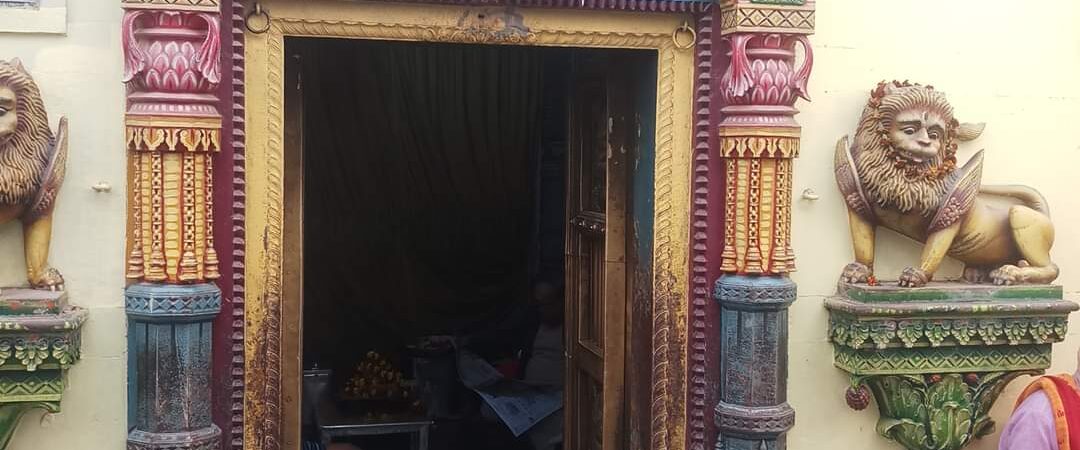
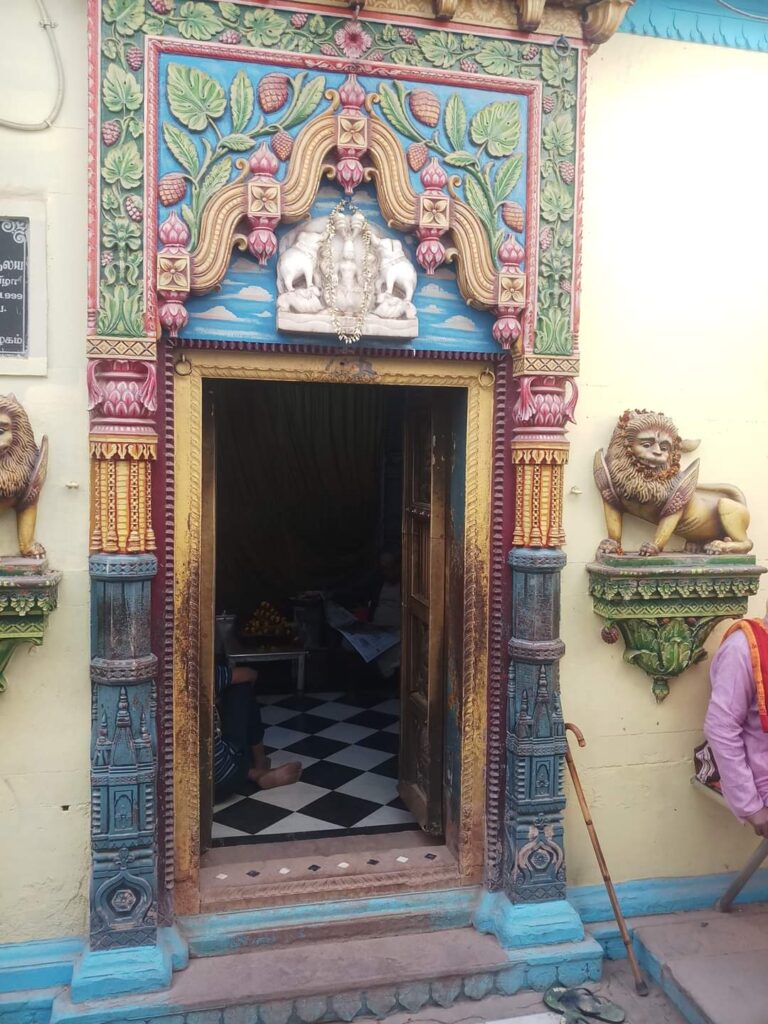
In the ancient lanes of Kashi, near Mir Ghat and Manikarnika Ghat, devotees worship Maa Vishalakshi as a compassionate and watchful form of the Divine Mother. Her name is commonly understood as “the wide-eyed Goddess,” a symbol of awareness, grace and protection.
Introduction: Maa Vishalakshi Devi Shakti Peetha in Kashi
Sri Vishalakshi Devi Temple is located in the historic heart of Varanasi (Kashi), Uttar Pradesh, near Mir Ghat. The Kashi official portal includes the shrine among the 51 Shakti Peethas and records the tradition that the gem of Goddess Sati’s right ear fell here. It identifies the Goddess as Vishalakshi and the associated Bhairava as Kaal Bhairav. Such accounts belong to sacred tradition, and Shakti Peetha lists may differ between religious sources.
Vishalakshi is often interpreted as “the wide-eyed one.” Devotees see the Goddess’s expansive gaze as an expression of compassionate awareness: the Mother who sees the joys, struggles and hopes of her children. Her shrine forms part of Kashi’s wider sacred landscape, alongside Kashi Vishwanath, Annapurna Devi, the ghats of the Ganga and many smaller shrines in the old city.
Quick Facts for Pilgrims
- Deity: Maa Vishalakshi Devi, a form of the Divine Mother
- Location: Vishalakshi Gali, near Mir Ghat, Kashi Lahori Tola, Varanasi, Uttar Pradesh 221001
- Traditional significance: Shakti Peetha associated in the Kashi tradition with the gem of Sati’s right ear
- Bhairava: Kaal Bhairav, according to the Kashi official portal
- Important observance: Navaratri and other Devi worship days
- Nearby pilgrimage sites: Kashi Vishwanath Temple, Annapurna Devi Temple, Manikarnika Ghat and Dashashwamedh Ghat
Sthala Puranam: The Sacred Story of Goddess Sati
Daksha’s yajna and Sati’s sacrifice
The traditional story of the Shakti Peethas begins with Goddess Sati, daughter of Daksha Prajapati and consort of Lord Shiva. Daksha organised a great yajna but did not honour Shiva. Sati attended and was deeply distressed by the insult directed at her husband. In the sacred narrative, she gave up her body at the sacrificial gathering.
Overwhelmed by grief, Shiva carried Sati’s body and wandered in sorrow. To restore cosmic balance, Lord Vishnu used the Sudarshana Chakra to divide the body. The places where parts of Sati or her ornaments are believed to have fallen became Shakti Peethas, sacred centres of the Divine Mother’s worship. This is a religious narrative, not a claim that can be established through modern historical evidence.
Why is Vishalakshi associated with an ear ornament?
The Kashi official portal records the tradition that the gem of Sati’s right ear fell at Vishalakshi, and also associates the Goddess with the name Manikarni Devi. The ear is connected with listening and receiving sacred sound; a jewel may be contemplated as a symbol of precious spiritual insight. These are devotional reflections on the tradition, rather than claims about a historically verifiable event.
Spiritual Significance of Maa Vishalakshi
- The wide-eyed Mother: Vishalakshi’s name inspires reflection on broad vision, compassion and awareness.
- Protection and courage: Devotees pray for strength to meet uncertainty and difficulty with steadiness.
- Family well-being: Worship can express hopes for harmony, affection and peace at home.
- Shiva and Shakti: In Shaiva and Shakta traditions, Shiva and Shakti represent inseparable dimensions of consciousness and creative power. Vishalakshi’s shrine reflects this devotional understanding of Kashi.
- Ethical living: The Mother’s compassionate gaze can inspire truthful speech, care for others and responsibility in everyday life.
These are devotional aspirations, not guaranteed material outcomes. Worship is best understood as a relationship of faith, gratitude and personal responsibility.
Vishalakshi and Kaal Bhairav: Sacred Relationships in Kashi
The official Kashi portal names Kaal Bhairav as the Bhairava associated with Vishalakshi Devi’s Peetha. Kaal Bhairav is revered as a fierce protective form of Shiva and, in Kashi tradition, as the guardian of the city. Pilgrims who wish to include his temple should check its current access, timings and location separately; the old-city lanes can be crowded.
Temple Experience, Darshan and Ritual Etiquette
Vishalakshi Temple stands within Kashi’s dense historic core. Reaching it often involves walking through narrow lanes shared by residents, worshippers, flower sellers and visitors. The approach itself reveals the living character of the old city.
- Darshan: Follow the queue and directions given by temple staff.
- Offerings: Flowers, vermilion or other offerings may be used according to temple custom. Ask what is permitted before purchasing items.
- Prayer and contemplation: Devotees may offer a personal prayer for wisdom, compassion and protection.
- Navaratri worship: The temple is especially devotional during Navaratri, when more pilgrims may visit.
- Photography: Do not assume photography is permitted inside the shrine. Follow current temple rules.
For a specific puja or ritual, consult temple authorities or a qualified priest about the procedure, timing, offerings and any fees. Avoid relying on unofficial intermediaries.
Festivals and Best Time to Visit
Navaratri and Durga Ashtami
Navaratri celebrates the many forms of the Divine Mother through prayer, offerings, devotional singing and fasting according to personal tradition. Durga Ashtami is an important day in many Devi traditions. Vishalakshi Temple can be busier during these periods; verify local schedules and allow extra time.
When to plan your visit
Varanasi is visited throughout the year. Early morning or evening may be convenient for darshan, while October through March is generally more comfortable for exploring outdoor heritage sites than the hottest months. Festival dates follow the Hindu calendar and change each year, so check a current calendar before finalising travel.
How to Reach Vishalakshi Devi Temple, Varanasi
- By air: Lal Bahadur Shastri International Airport (VNS) serves Varanasi, roughly 25 km from the central city depending on the destination measured. Taxis and app-based cabs can take visitors towards the old city; the final approach may need to be on foot.
- By train: Varanasi Junction (BSB) is a major rail gateway. From the station, use a taxi or auto-rickshaw to reach a practical drop-off point near the old city, then follow local directions towards Mir Ghat and Vishalakshi Gali.
- By road: Varanasi is connected by road with Prayagraj, Lucknow and other cities. Traffic controls and festival crowds can affect travel time.
- Within the old city: Narrow lanes may not accommodate cars. Walking, cycle-rickshaws and local transport may be more practical than expecting a vehicle to reach the temple door.
Darshan timings
The Kashi official portal lists general hours of 6:00 a.m. to 10:00 p.m.; Incredible India publishes a different split morning-and-evening schedule. Since sources differ and arrangements can change, confirm the current timings directly before travelling.
Practical travel tips
- Wear comfortable footwear for walking; remove it where required.
- Plan extra time for security checks and queues if visiting Kashi Vishwanath on the same day.
- Carry drinking water in hot weather and keep valuables secure.
- Visitors with mobility concerns should plan for uneven lanes and possible walking distances.
- Ask before photographing people, rituals or the sanctum.
Places to Visit Near Vishalakshi Devi Temple
Kashi Vishwanath Temple
One of India’s most revered Shiva temples, dedicated to Lord Vishwanath. Many pilgrims combine it with Vishalakshi Devi, but security procedures, queues and entry rules can change, so check current arrangements.
Annapurna Devi Temple
Dedicated to the Goddess associated with nourishment and abundance, Annapurna Devi’s shrine makes a meaningful companion to Vishalakshi in a Kashi Devi pilgrimage.
Manikarnika Ghat
One of Kashi’s most sacred ghats, associated with Hindu rites concerning death and liberation. Visit with sensitivity: this is an active sacred and cremation site, not simply a sightseeing stop. Respect privacy and local customs.
Dashashwamedh Ghat
Known for the evening Ganga Aarti, this riverfront offers a memorable view of Kashi’s devotional life. Arrive early and follow crowd-control instructions.
Assi Ghat
A popular riverside destination for early-morning walks and views of the Ganga. It is farther from Vishalakshi Temple, so allow time for transport.
Sarnath
Located outside the old city, Sarnath is an important Buddhist pilgrimage site associated with the Buddha’s first sermon. It offers a different perspective on the region’s religious and cultural history and is best planned as a separate excursion.
Strictly Vegetarian Cuisine of Varanasi
Banaras has a distinctive food culture, from traditional breakfast dishes to seasonal sweets. The dishes below are vegetarian suggestions. If you require a strictly vegetarian kitchen, ask whether meat, fish or eggs are prepared on the premises and whether shared utensils are used. Vegetarian and sattvic are not interchangeable: if you avoid onion and garlic, state that separately.
- Kachori-sabzi: Crisp kachoris with spiced potato curry, a popular Banarasi breakfast. Ask about the cooking medium and ingredients.
- Banarasi tamatar chaat: A tangy tomato-based snack with spices and accompaniments. Confirm chutney and garnish ingredients.
- Chooda matar: Flattened rice cooked with peas and spices, often associated with the cooler season.
- Baati-chokha: Roasted wheat balls with mashed potato, tomato or brinjal; ask about ghee and preparation.
- Malaiyyo: A delicate milk-based seasonal sweet, most often associated with cool weather.
- Chena dahi vada: A curd-based snack that may be available in local sweet shops; confirm the preparation is vegetarian.
- Vegetarian thali: Dal, rice, roti, paneer and seasonal vegetables make a practical meal between temple visits.
- Banarasi lassi and traditional mithai: Popular choices, but check ingredients and freshness.
Restaurant guidance
Restaurant listings, menus and opening hours can change. For this guide, do not treat a restaurant as guaranteed pure vegetarian or sattvic unless that exact claim has been verified close to publication. Choose a clearly labelled vegetarian restaurant, call ahead, and confirm its current location, menu and kitchen practices. If no-onion/no-garlic food is essential, ask specifically rather than assuming it is standard.
Suggested One-Day Kashi Pilgrimage
- Early morning: Visit Vishalakshi Devi Temple and allow time for the old-city approach.
- Morning: Visit Annapurna Devi and Kashi Vishwanath if current access and security arrangements permit.
- Lunch: Choose a verified vegetarian meal and confirm ingredients.
- Afternoon: Explore the old-city lanes respectfully or visit a nearby ghat.
- Evening: Attend or observe Ganga Aarti at Dashashwamedh Ghat, allowing time for crowds and transport.
This is a sightseeing suggestion, not a prescribed ritual order. If your pilgrimage includes a particular puja, plan around the temple’s current arrangements first.
Frequently Asked Questions
Where is Vishalakshi Devi Shakti Peetha?
It is in Vishalakshi Gali near Mir Ghat, in the old-city area of Varanasi, Uttar Pradesh.
Which part of Sati is associated with Vishalakshi Temple?
The Kashi official portal records the tradition that the gem of Sati’s right ear fell here. Other Shakti Peetha lists may preserve differing identifications.
What does Vishalakshi mean?
The name is commonly interpreted as “the wide-eyed Goddess,” symbolising divine awareness and compassion.
Who is the associated Bhairava?
The official Kashi portal identifies Kaal Bhairav as the Bhairava associated with this Peetha.
What are the temple timings?
The Kashi official portal lists 6:00 a.m. to 10:00 p.m., while another official tourism source lists split hours. Confirm locally before travel.
Can I visit Vishalakshi and Kashi Vishwanath on the same day?
Yes, many pilgrims combine them, but allow enough time for walking, queues and security checks.
What vegetarian foods should I try?
Kachori-sabzi, tamatar chaat, chooda matar, vegetarian thali and seasonal malaiyyo are options. Confirm ingredients and kitchen practices if your requirements are strict.
Is photography allowed inside the temple?
Do not assume photography is permitted. Follow current instructions from temple authorities.
Image Credits and Copyright Safeguards
Featured documentary photograph: “Kashi Vishalakshi Temple front view,” photograph by Kailash PL, via Wikimedia Commons, licensed under Creative Commons Attribution-ShareAlike 4.0 International (CC BY-SA 4.0). Original file and licence. Credit the photographer, link to the source and licence, and indicate any changes if made.
Original Indian Ethos artwork: A separate watercolor-style illustration may accompany the article as decorative artwork. It is not a documentary depiction of the actual Vishalakshi Temple and should be labelled “Illustrative artwork.”
Sources and Further Reading
- Kashi Official Web Portal: Vishalakshi Devi Temple
- Incredible India: Vishalakshi Temple
- District Varanasi, Government of Uttar Pradesh: Tourism
- Wikimedia Commons: actual Vishalakshi Temple photograph and licence
- Creative Commons Attribution-ShareAlike 4.0 licence
Indian Ethos presents this guide for cultural and pilgrimage education. Rituals, darshan hours, local transport, photography rules and food-service practices can change. Confirm current details with temple authorities and official travel sources before your visit.