In the sacred landscape of coastal Andhra Pradesh, the ancient temple town of Draksharamam is revered as the abode of Sri Bhimeswara Swamy and Sri Manikyamba Devi. The shrine brings together two cherished pilgrimage traditions: Draksharamam is one of the five Pancharama Kshetras dedicated to Lord Shiva and is also counted among the Ashtadasha Maha Shakti Peethas. For devotees, this is a place to seek the grace of the Divine Mother, honour Lord Shiva and experience the living spiritual heritage of Andhra Pradesh.
This Indian Ethos guide explores the Sthala Puranam, the traditional association with Goddess Sati, the spiritual significance of Manikyamba Devi, temple architecture, worship and festivals, travel planning, nearby attractions and strictly vegetarian Andhra cuisine. Sacred narratives are presented as devotional traditions, while timings and travel details that may change should be confirmed before departure.
At a Glance: Manikyamba Devi Shakti Peetha
- Presiding deities: Sri Manikyamba Devi and Sri Bhimeswara Swamy
- Location: Draksharamam, Dr. B. R. Ambedkar Konaseema district, Andhra Pradesh
- Shakti Peetha tradition: Counted as the twelfth among the eighteen Maha Shakti Peethas in the East Godavari district account
- Shaiva significance: One of the five Pancharama Kshetras
- Traditional association: The left cheek of Goddess Sati is commonly associated with Manikyamba in Shakti Peetha lists, though descriptions vary by source
- Nearby towns: Kakinada, Rajamahendravaram (Rajahmundry), Ramachandrapuram and Samalkot
- Ideal visit: Combine darshan of Manikyamba Devi and Bhimeswara Swamy, then explore nearby sacred sites if time allows
Sthala Puranam: The Sacred Story of Goddess Sati
The origin of the Shakti Peethas
The traditional story of the Shakti Peethas begins with Goddess Sati, daughter of Daksha Prajapati and consort of Lord Shiva. When Daksha organised a great sacrificial gathering and failed to honour Shiva, Sati was deeply distressed by the insult to her beloved. In the familiar Puranic account, she gave up her body at the sacrifice.
Overcome with grief, Shiva carried Sati’s body and wandered in sorrow. To restore cosmic balance, Lord Vishnu used his Sudarshana Chakra to divide the body. The places where parts of Sati’s body or ornaments were believed to have fallen became sacred centres of Shakti worship. Each Peetha is revered as a place where the Divine Mother’s presence is especially powerful.
Why is Manikyamba Devi associated with Draksharamam?
The East Godavari district’s official account identifies Sri Manikyamba of Draksharamam as the twelfth of the Ashtadasha Shakti Peethas. In commonly cited regional traditions, the left cheek of Goddess Sati is associated with this shrine. Lists and retellings of the Shakti Peethas can differ in details, so the association is best understood as a sacred tradition rather than a claim that can be historically verified.
For devotees, the essential belief is that the Divine Mother sanctifies Draksharamam and continues to receive the prayers of those who approach her with faith. The name Manikyamba evokes the radiant, precious presence of the Mother, while her worship expresses the nurturing and protective power of Shakti.
The Story of Draksharamam and Lord Bhimeswara Swamy
Draksharamam’s spiritual identity is closely linked with Lord Bhimeswara Swamy. The temple is revered as one of the Pancharama Kshetras, five sacred Shiva centres in Andhra Pradesh associated in tradition with the story of Tarakasura and the divine Atma Linga.
According to the traditional narrative, Tarakasura obtained a powerful linga through penance to Lord Shiva. The divine conflict surrounding this boon is linked in regional accounts to the origin of the five Pancharama shrines. These stories form part of the temple’s sacred lore and should be understood as religious tradition rather than modern historical records.
The district administration describes Draksharamam as a rare pilgrimage setting where the presiding Shiva shrine and a major Shakti Peetha are honoured within one sacred complex. The worship of Bhimeswara and Manikyamba together gives the temple a distinctive place in the devotional landscape of southern India.
Spiritual Significance of Manikyamba Devi
1. A sacred centre of Shakti worship
Manikyamba Devi is revered as the Divine Mother who protects devotees and guides them toward strength, clarity and spiritual steadiness. In Shakta philosophy, the Goddess represents the active power of the universe: the force that sustains life, removes obstacles and supports transformation.
Devotees approach her with prayers for family wellbeing, courage, auspiciousness and peace. These are matters of faith and devotion, not guaranteed outcomes; the deeper purpose of worship is to cultivate gratitude, compassion and commitment to dharma.
2. The inseparable presence of Shiva and Shakti
The joint worship of Bhimeswara Swamy and Manikyamba Devi is central to Draksharamam’s significance. Shiva and Shakti are understood as inseparable principles—consciousness and its power, stillness and movement, the eternal and its manifestation. Their presence within the same sacred precinct expresses the belief that these principles are complementary and inseparable.
3. Draksharamam as a Pancharama Kshetra
Draksharamam is one of the five Pancharama Kshetras traditionally associated with Lord Shiva. The five are Amararama at Amaravati, Draksharama at Draksharamam, Somarama at Bhimavaram, Ksheerarama at Palakollu and Kumararama at Samalkot. Pilgrims may visit Draksharamam as part of a wider Pancharama yatra while also including Manikyamba in their Shakti Peetha pilgrimage.
4. A place for prayer and inner renewal
A visit to Manikyamba Devi offers an opportunity to pause, seek the Mother’s blessings and reflect on the values that give life meaning. Devotees may pray for peace at home, strength during difficult times and clarity in decision-making. The enduring message of the shrine is that spiritual strength grows through humility, devotion and a life guided by dharma.
Temple Architecture and Sacred Features
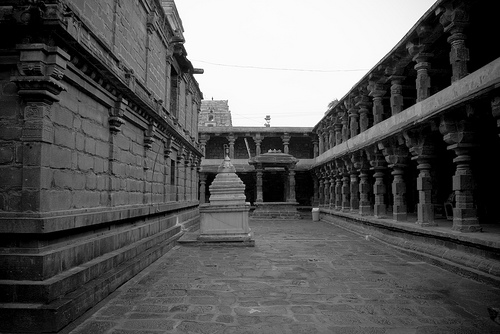
The Sri Bhimeswara Swamy Temple complex is known for its monumental stone architecture, sculptural details and traditional temple layout. The Andhra Pradesh State Road Transport Corporation’s pilgrim information describes two prakarams, four entrances with gopurams and a mukha mandapa whose sculptural work reflects Chalukyan features.
The Shiva linga is described in official pilgrim information as unusually tall, with access to the upper level of the sanctum by stairways. The complex also contains shrines to deities including Lakshmi Narayana, Sankaranarayana, Ganapati and the Navagrahas. The temple’s history is associated with the Eastern Chalukyan king Bhima in the ninth to tenth centuries, while the broader complex reflects layers of patronage and worship over time.
The Manikyamba shrine is part of this sacred precinct. Visitors should allow time to explore permitted areas respectfully, follow local customs and observe instructions about photography. The sanctum is an active place of worship, not simply an architectural monument.
Rituals and Worship at Manikyamba Devi Temple
Daily worship follows the temple’s established customs. The precise schedule, availability of sevas and permitted offerings can change, particularly during festivals. Confirm current arrangements directly with the temple before planning around a specific ritual.
- Darshan: Devotees offer prayers to Manikyamba Devi and seek the Mother’s blessings. Follow the queue system and any instructions provided by temple staff.
- Bhimeswara Swamy darshan: Many pilgrims visit both the Goddess and Shiva shrines as part of the same temple pilgrimage, following the customary sequence of worship.
- Archana and offerings: Flowers and other traditional offerings may be accepted according to temple practice. Ask locally which items are permitted and whether a particular seva requires advance arrangements.
- Aarti and special pujas: Lamp worship and other prescribed rituals form part of temple devotion. Check the current schedule rather than relying on timings copied from older travel pages.
- Abhishekam and sevas: If you wish to book a particular ritual, contact the temple office or authorised priests to clarify availability, fees and procedures.
- Pradakshina: Circumambulation may be performed where the temple layout and local custom permit. Respect restricted areas and follow the customary route.
Darshan timings: Travel guides commonly list morning darshan around 6:00 AM to noon and an evening session from approximately 3:00 PM to 8:00 PM, but published timings vary. Confirm the current schedule directly before travelling, especially on festival days.
Festivals at Draksharamam
Navaratri
Navaratri is an auspicious period for worship of the Divine Mother. Devotees honour the many manifestations of Shakti through prayers and special observances. Draksharamam’s Manikyamba shrine is especially meaningful for pilgrims undertaking a Shakti Peetha journey. Expect larger crowds on major festival days and confirm the temple’s programme in advance.
Maha Shivaratri
Maha Shivaratri is an important occasion for worship of Lord Shiva at Bhimeswara Swamy Temple. Since Manikyamba Devi is worshipped within the same complex, pilgrims may include both shrines in their visit, while following the temple’s customary arrangements.
Karthika Masam
Karthika Masam is a sacred month for Shiva worship among many Telugu-speaking communities. Devotees may visit Draksharamam for prayer and religious observances during this period. Confirm the year’s programme and timings before travelling.
Festival travel tips
Festival dates follow the Hindu calendar and temple announcements. Book transport early where necessary, allow extra time for queues and traffic, and check whether special darshan or seva arrangements apply.
How to Reach Manikyamba Devi Shakti Peetha
Draksharamam is in the Konaseema region of Andhra Pradesh. The East Godavari district administration lists the temple at approximately 28 kilometres from Kakinada. Other useful arrival points include Rajamahendravaram and Samalkot, depending on the visitor’s train or flight route.
- By air: Rajahmundry Airport may be a practical option for visitors arriving by air. From there, arrange a taxi or road transfer to Draksharamam. Check current flight schedules and actual journey times before booking.
- By train: Samalkot Junction, Anaparti and Rajamahendravaram may be useful railway options depending on your route. Confirm train stops and arrange onward transport to Draksharamam before arrival.
- By road: Draksharamam is accessible from Kakinada, Rajamahendravaram, Ramachandrapuram and Amalapuram. Local buses and taxis connect nearby towns, while a private vehicle offers flexibility for visiting several temples.
- Local access: The shrines are within the Bhimeswara Swamy Temple complex. On festival days, allow extra time for traffic, parking and walking.
Best time to visit
October to March is generally comfortable for exploring coastal Andhra Pradesh. Navaratri, Maha Shivaratri and Karthika Masam are important devotional periods but can be busier. Travellers who prefer a quieter visit may choose a non-festival date.
Practical pilgrimage checklist
- Confirm darshan timings and special puja arrangements.
- Check current train or flight connections before booking.
- Arrange onward transport from your arrival station.
- Wear modest clothing and follow temple rules about footwear and photography.
- Carry drinking water, sun protection and personal essentials.
- Allow extra time if visiting multiple temples in one day.
Places to Visit Around Draksharamam
- Sri Bhimeswara Swamy Temple: The principal Shiva shrine is the heart of the Draksharamam complex. Devotees visiting Manikyamba Devi can include darshan of Bhimeswara Swamy in the same pilgrimage.
- Samalkot Kumararama Temple: Samalkot is home to Kumararama, another Pancharama Kshetra. It can be included in a wider temple itinerary if you have sufficient travel time.
- Kakinada: A useful base for accommodation, transport and regional exploration. Visitors can plan the day around temple timings and travel onward to other coastal Andhra destinations.
- Amalapuram and Konaseema: The wider region is known for its rivers, coconut groves and agricultural landscape. A longer visit can combine pilgrimage with a gentle exploration of the region’s cultural and natural heritage.
- Annavaram Sri Veera Venkata Satyanarayana Swamy Temple: A major pilgrimage destination that can be added to a longer road itinerary, depending on route and available time.
- Other Pancharama shrines: Pilgrims undertaking a Pancharama yatra may plan separate visits to Amaravati, Bhimavaram, Palakollu and Samalkot. These are not all immediate neighbours, so allow sufficient travel time.
Strictly Vegetarian Food Near Draksharamam
Coastal Andhra cuisine offers rice, lentils, seasonal vegetables, chutneys and traditional sweets. The dishes below are vegetarian suggestions, but a restaurant serving vegetarian dishes is not automatically an exclusively vegetarian kitchen. If you require strictly vegetarian preparation, verify directly that the establishment does not prepare meat, fish or eggs and ask about shared utensils, cooking surfaces and frying oil. We do not label any specific restaurant as strictly vegetarian without reliable current confirmation.
- Pappu and rice: Lentils cooked with leafy greens or vegetables, served with steamed rice. A familiar, satisfying meal for pilgrims.
- Pulihora: Tamarind rice seasoned with spices, curry leaves and peanuts, often enjoyed as a festive or travel-friendly dish.
- Daddojanam: Curd rice, a cooling South Indian preparation that can be a light meal in warm weather.
- Pesarattu: A green-gram dosa commonly served with chutney. Ask about the cooking oil and kitchen practices.
- Idli and dosa: Popular breakfast choices often served with chutney and sambar. Confirm ingredients if you have specific dietary rules.
- Vegetable curry and rice: A straightforward option for a filling vegetarian lunch between temple visits.
- Andhra vegetarian thali: Rice, dal, vegetable preparations, rasam, sambar and chutneys, depending on the restaurant’s menu.
- Upma and pongal: Common tiffin choices; ask whether ghee is used and whether the preparation meets your preferences.
- Payasam: A traditional sweet preparation made with ingredients such as milk, rice or vermicelli. Recipes vary.
- Fruit and simple meals: Useful choices on hot days or when queues make a heavy meal inconvenient.
How to choose a strictly vegetarian meal
Prefer a trusted pure-vegetarian establishment or a verified vegetarian hotel kitchen. Ask whether meat, fish and eggs are prepared on the premises and whether separate utensils and frying oil are used. If your observance is sattvic and excludes onion or garlic, mention that separately. Menus and restaurant policies can change, so verify current details directly rather than relying on an unverified listing.
Suggested One-Day Pilgrimage Itinerary
- Early morning: Arrive at Draksharamam and confirm the day’s darshan schedule. Visit Manikyamba Devi and Bhimeswara Swamy according to the customary sequence.
- Morning: Explore the permitted areas of the temple complex and take time to appreciate its architecture and shrines.
- Lunch: Choose a verified vegetarian restaurant and enjoy a traditional Andhra meal.
- Afternoon: If timings and transport allow, visit another nearby sacred destination or return to your accommodation for rest.
- Evening: Return for evening darshan if the temple schedule permits, then arrange onward transport.
This is a flexible outline. Adapt the order to current temple timings, transport conditions and the needs of your travelling party.
Frequently Asked Questions
Where is Manikyamba Devi Shakti Peetha located?
The shrine is within the Sri Bhimeswara Swamy Temple complex at Draksharamam in the Konaseema region of Andhra Pradesh.
Which part of Goddess Sati is associated with Manikyamba Devi?
The left cheek is a commonly cited traditional association for Manikyamba Devi. Shakti Peetha lists differ in some details, so this should be understood as sacred tradition rather than a universally uniform account.
Why is Draksharamam important to Shiva devotees?
Draksharamam is one of the five Pancharama Kshetras. The temple is also notable for its historic stone architecture and the worship of Bhimeswara Swamy alongside Manikyamba Devi.
Can I visit both Manikyamba Devi and Bhimeswara Swamy on the same day?
Yes. Both shrines are within the same temple complex. Allow extra time during festivals and confirm current darshan arrangements before travelling.
Where can I find strictly vegetarian food?
Vegetarian dishes are widely available in the region, but kitchen practices vary. If you require an exclusively vegetarian kitchen, verify the establishment’s policy directly before ordering.
Closing Prayer to Sri Manikyamba Devi
May Sri Manikyamba Devi, the compassionate Mother of Draksharamam, bless every devotee with courage, clarity, harmony and peace. May the grace of the Divine Mother and the presence of Bhimeswara Swamy inspire us to live with humility, gratitude and dharma. May every pilgrimage deepen our devotion and leave our hearts steadier and kinder.
Jai Sri Manikyamba Devi!
Sources and Further Reading
- East Godavari District Administration: Lord Bhimeswara Swami Temple, Draksharamam
- East Godavari District Administration: Draksharamam pilgrimage information
- Andhra Pradesh State Road Transport Corporation: Draksharamam pilgrim information
- Wikimedia Commons: Draksharamam temple photograph by Ramachandra, CC BY-SA 3.0