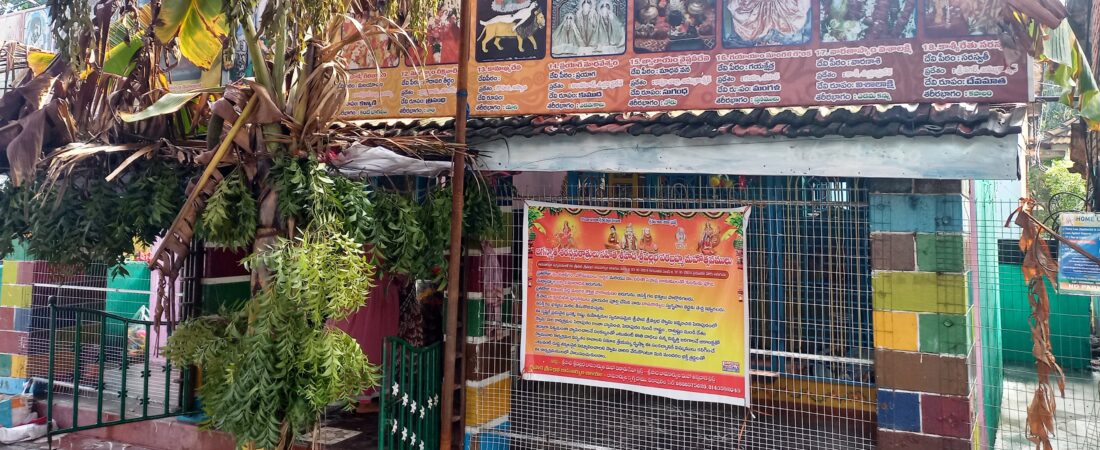
In Pithapuram, a sacred town in Andhra Pradesh where the bells of Shiva’s temple mingle with the prayers offered to the Divine Mother, Sri Puruhutika Devi is worshipped with deep reverence. Counted among the revered Ashtadasha Maha Shakti Peethas in the regional tradition, her shrine stands within the campus of Sri Kukkuteswara Swamy Temple at Padagaya. For pilgrims, this is a journey into the living heart of Shakti worship—where Puranic memory, ancestral rites and everyday devotion meet.
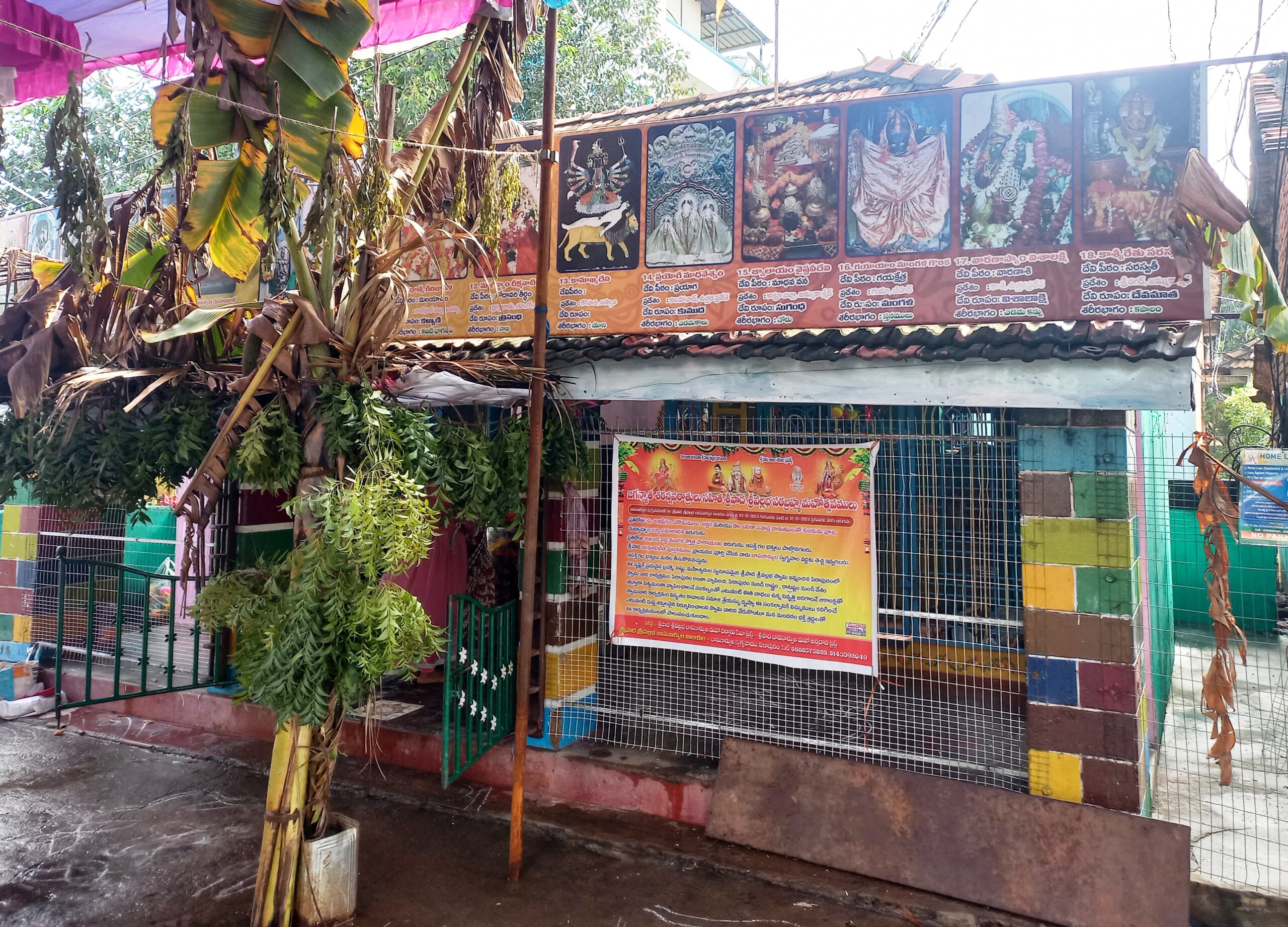
This guide brings together the shrine’s Sthala Puranam, spiritual significance, worship traditions, festival atmosphere, practical travel information, nearby sacred places and strictly vegetarian food ideas. Sacred legends are identified as traditions, while practical details that can change—especially darshan timings and ritual schedules—should be confirmed with the temple before travel.
At a Glance: Puruhutika Devi Temple, Pithapuram
- Presiding deity: Sri Puruhutika Devi, a revered form of the Divine Mother
- Location: Within the Sri Kukkuteswara Swamy Temple complex, Pithapuram, Kakinada district, Andhra Pradesh
- Sacred setting: Padagaya Kshetram, associated with ancestral rites and the legend of Gayasura
- Shakti Peetha tradition: Revered among the Ashtadasha Maha Shakti Peethas; often listed as the tenth Peetha in regional accounts
- Nearby shrines: Kukkuteswara Swamy, Kunti Madhava Swamy and Sri Pada Sri Vallabha / Dattatreya pilgrimage sites
- Major observance: Navaratri, along with regular worship through the year
Sthala Puranam: The Sacred Story of Puruhutika Devi
Goddess Sati and the origin of the Shakti Peethas
The story of Puruhutika Devi is part of the larger sacred narrative of Goddess Sati and Lord Shiva. Sati, daughter of Daksha Prajapati, chose Shiva as her consort. When Daksha conducted a great sacrifice and insulted Shiva, Sati—unable to bear the humiliation of her beloved—gave up her body at the sacrificial gathering. Shiva, stricken with grief, carried her body as he moved through the worlds.
According to the widely told Puranic tradition, Lord Vishnu used his Sudarshana Chakra to divide Sati’s body so that Shiva’s grief would not disturb the cosmic order. The places where parts of her body or ornaments were believed to have fallen became sacred centres of the Goddess, known as Shakti Peethas. Each Peetha is honoured as a place where the power of the Divine Mother is especially present.
At Pithapuram, local and regional traditions identify Puruhutika Devi as the presiding Shakti of this Peetha. Accounts differ about the exact body part associated with the site—some say the seat or lower-back portion, while other sources give different descriptions. Rather than presenting one version as universally agreed, it is more faithful to acknowledge the variation among traditional lists and honour the shrine’s established devotional identity.
Why is the town called Pithapuram?
A traditional explanation connects the town’s name with the sacred Peetha, or seat, of the Goddess. Names such as Peethikapuram and Puruhutikapuram are remembered in accounts explaining how the present name Pithapuram evolved. Such explanations belong to sacred and regional memory, and may vary in wording from one account to another.
Padagaya and the legend of Gayasura
Pithapuram is also known as Padagaya Kshetram. According to the local sacred account, the feet of Gayasura are associated with the sacred water body near the Kukkuteswara temple. This connects Pithapuram with the tradition of performing rites for departed ancestors. For many Hindu families, the place is therefore not only a destination for Devi darshan but also a kshetra for remembrance, gratitude and prayers for the peace of forebears.
The district’s tourism account describes Pithapuram as a pilgrimage centre with Puruhutika Devi, Kukkuteswara Swamy and other important shrines. The Ministry of Tourism’s Utsav portal also identifies the Puruhutika shrine within the Sri Kukkuteswara Swamy temple campus and records its Navaratri celebrations. These sources help distinguish the living temple tradition from details that differ among devotional retellings.
Spiritual Significance: The Mother as Strength, Protection and Grace
Puruhutika Devi is worshipped as a form of Adi Shakti—the primordial energy that sustains and transforms creation. Devotees approach the Mother seeking courage during uncertain times, clarity in decisions, harmony in family life and the strength to fulfil their responsibilities. Her worship also reminds the pilgrim that true spiritual power is inseparable from compassion, humility and dharma.
As a Shakti Peetha, the shrine forms part of a sacred geography that links different regions of India through the worship of the Goddess. Pilgrims often undertake journeys to multiple Peethas as acts of devotion, but each shrine also has its own local history, ritual practice and community of worshippers. At Pithapuram, the presence of Puruhutika Devi alongside Kukkuteswara Swamy expresses a devotional landscape in which Shakti and Shiva are honoured in close spiritual relationship.
The association with Padagaya adds another dimension: devotion is directed both toward the Divine Mother and toward the continuity of family memory. A visit may include darshan, prayer for loved ones, and—where appropriate—ancestral rites conducted according to family tradition and the guidance of qualified priests.
The Temple Complex: Puruhutika Devi and Kukkuteswara Swamy
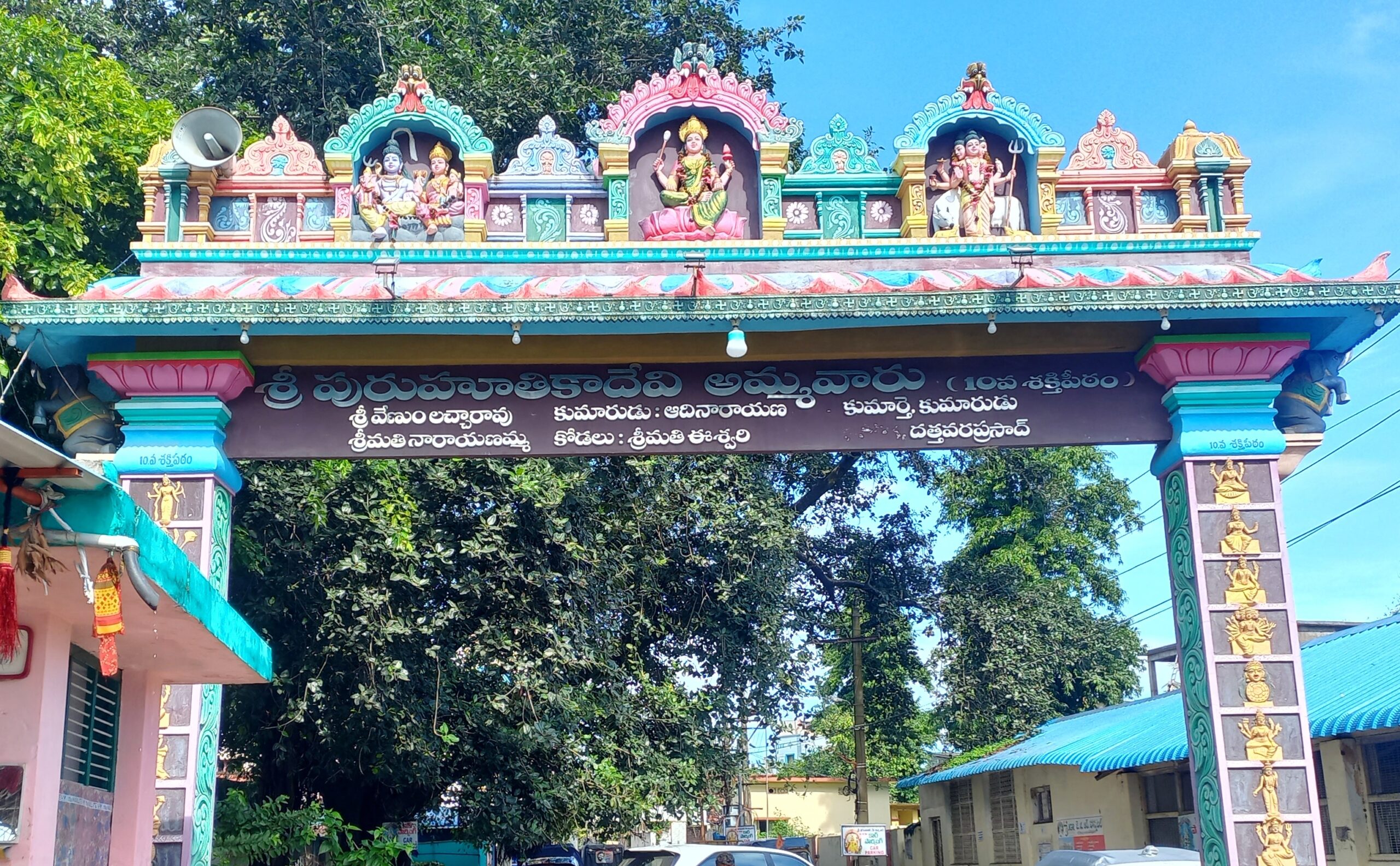
The Puruhutika shrine stands inside the larger Sri Kukkuteswara Swamy Temple complex. Kukkuteswara is a form of Lord Shiva whose name is associated with the cock, and the temple is an important sacred landmark of Pithapuram. The complex is also noted for its large single-stone Nandi, called Yeka Sila Nandi, which visitors encounter along the temple approach.
Because the shrines share a sacred campus, visitors can plan a respectful circuit of the complex rather than treating Puruhutika Devi as an isolated stop. Follow the customary pradakshina path, observe signs and instructions from temple staff, and check whether photography is permitted in each area.
Rituals and Worship at Puruhutika Devi Temple
Daily worship follows the temple’s established tradition. The exact schedule and availability of individual sevas can change, so pilgrims should confirm current details through the temple office or official channels before setting out.
- Darshan: The central act of worship is to stand before the Goddess, offer a prayer and receive her blessings. Visitors should follow the queue system and any dress or entry guidance posted at the temple.
- Archana and Kumkumarchana: Devotees may offer kumkum and participate in name-recitation worship when the temple makes these services available. Ask the temple office about current arrangements and timings.
- Abhishekam and special pujas: Ritual bathing and other prescribed offerings may be performed according to temple practice. Availability, eligibility and booking requirements should be checked locally rather than assumed.
- Naivedyam and Harati: Food offerings and lamp worship form part of Hindu temple devotion. Offerings should be made only in the manner accepted by the temple.
- Chandi worship and homam: Some festival or special observance programmes may include more elaborate Devi worship. Confirm the current calendar and participation rules with the temple administration.
- Pradakshina: Circumambulation of the sacred shrines is a devotional act performed according to the temple’s layout and local custom.
- Padagaya ancestral rites: Families who wish to perform pinda-pradana or related rites should consult the temple authorities or a knowledgeable local priest in advance, especially about materials, timings and appropriate procedure.
Important: Online listings show differing opening and puja schedules. Treat them as indicative, not guaranteed. Verify darshan timings, fees, booking requirements and festival arrangements directly before travelling.
Navaratri and Other Auspicious Occasions
Sharad Navaratri
Navaratri is a major time for the worship of Puruhutika Devi. The Ministry of Tourism’s Utsav portal features the temple’s Navaratri celebrations at Padagaya, Pithapuram. Devotees gather for special prayers and offerings, and the atmosphere becomes especially devotional. Expect larger crowds during the main festival days; arrive early and allow extra time for queues.
Chaitra Navaratri and other Devi observances
Devotees may also mark other auspicious days dedicated to the Goddess with prayer, fasting, archana or family worship. The specific programme varies from year to year, so check the current temple calendar instead of relying on a past schedule.
Datta Jayanti and the Sri Pada Sri Vallabha tradition
Pithapuram is closely associated with Sri Pada Sri Vallabha, revered in the Dattatreya tradition. Datta-related observances may attract pilgrims to the town’s spiritual sites. Visitors interested in both Devi worship and the Datta tradition can plan time for the associated shrine while keeping the temple’s current timings in mind.
How to Reach Puruhutika Devi Shakti Peetha
Pithapuram is in Andhra Pradesh’s Kakinada district. The district administration describes it as roughly 20 kilometres from Kakinada and around 75 kilometres from Rajahmundry; actual travel time depends on the route, traffic and starting point.
- By train: Pithapuram has a railway station. Confirm current train services and the best arrival option for your origin before booking. Local transport can take you from the station to the temple area.
- By air: Rajahmundry Airport is one practical option for visitors arriving by air, followed by a road journey to Pithapuram. Check current flight routes and road travel time before finalising plans.
- By road: Pithapuram is connected by road to Kakinada, Samalkot and Rajahmundry. Buses, taxis and private vehicles are common options for reaching the town.
- Local access: The Puruhutika shrine is within the Sri Kukkuteswara Swamy Temple campus. On festival days, allow extra time for traffic, parking and walking through crowded areas.
Other Sacred and Cultural Attractions Nearby
- Sri Kukkuteswara Swamy Temple: The Shiva shrine shares the campus with Puruhutika Devi and is central to Pithapuram’s sacred identity. Notice the temple’s large single-stone Nandi and follow the customary pradakshina route.
- Padagaya Kshetram: A sacred site associated with Gayasura and ancestral rites. If planning religious rites, arrange the details in advance with the temple or a trusted priest.
- Sri Pada Sri Vallabha / Anagha Datta Kshetram: A significant destination for devotees of Lord Dattatreya and Sri Pada Sri Vallabha, whose life is closely associated with Pithapuram in the Datta tradition.
- Kunti Madhava Swamy Temple: A revered Vishnu shrine in Pithapuram and a natural addition for pilgrims wishing to explore the town’s temple heritage.
- Sri Venu Gopala Swamy Temple: Another devotional site noted in the district’s account of Pithapuram.
- Annavaram Sri Veera Venkata Satyanarayana Swamy Temple: A major pilgrimage centre on Ratnagiri Hill, suitable for a separate excursion if you have enough time and transport.
- Kumararama Bhimeswara Temple, Samalkot: One of the Pancharama Kshetras, associated with Lord Shiva and known for its distinctive tall linga and historic temple architecture.
- Uppada Beach and Kakinada Beach: Coastal stops for travellers extending their visit toward Kakinada. Keep beach visits separate from the temple schedule and follow local safety guidance.
- Pandavula Metta, Peddapuram: A hill site associated with local Mahabharata traditions. Check access and conditions before making it part of your route.
Strictly Vegetarian Food in Pithapuram and the Kakinada Region
Food is part of the hospitality of Andhra Pradesh, and a pilgrimage day is often best supported by a simple, satisfying vegetarian meal. The dishes below are vegetarian in their traditional forms, but a vegetarian menu does not prove that an establishment has a strictly vegetarian kitchen. If you require food prepared in an exclusively vegetarian environment, confirm directly that the restaurant does not serve meat, fish or eggs and ask about shared utensils, cooking surfaces and frying oil. We have not labelled any unverified restaurant as strictly vegetarian.
- Andhra-style vegetarian thali: Rice, dal, sambar or pappu, rasam, vegetable curry, chutney, curd and pickles can make a balanced meal. Ask for a fully vegetarian preparation and confirm kitchen practices.
- Pappu and rice: Andhra dal served with steamed rice is a comforting staple. Seasonal greens or vegetables may be served alongside it.
- Pulihora: Tamarind rice prepared with spices and tempering is commonly associated with festive and temple-food traditions. Ask about ingredients and preparation if you follow specific dietary rules.
- Vegetable pappu, vankaya kura or bendakaya kura: Regional vegetable preparations offer a taste of Andhra home-style cooking. Availability varies with the season and restaurant.
- Idli, dosa and pesarattu: Familiar breakfast choices made from rice-lentil or green-gram batters. Confirm the use of cooking oil and whether the kitchen is exclusively vegetarian.
- Upma and pongal: Simple breakfast or light-meal options that can be suitable for travellers. Ask whether ghee is used and how the dish is prepared.
- Bobbatlu / polelu and other traditional sweets: These festive sweets often use lentils, jaggery and flour, though recipes differ. Check ingredients, particularly if you avoid particular additives.
- Fruit, curd rice and simple meals: Useful options for hot days or when a long queue makes a heavy meal less appealing.
- Temple prasadam: Accept prasadam respectfully if it is offered and follow the temple’s guidance on where and how it may be received.
Strict vegetarian dining checklist: Before ordering, ask whether the establishment is fully vegetarian, whether eggs are used, whether separate utensils and frying oil are maintained, and whether the meal contains onion or garlic if your observance excludes them. For the strongest assurance, choose a trusted pure-vegetarian establishment or a verified vegetarian hotel kitchen. Current restaurant details should be confirmed directly rather than guessed from online listings.
A One-Day Pilgrimage Plan for Pithapuram
- Early morning: Arrive at the Sri Kukkuteswara Swamy Temple complex and offer darshan at Puruhutika Devi, subject to current opening hours.
- Morning: Visit Kukkuteswara Swamy and complete the permitted temple circuit respectfully. Allow time to observe the architecture and Yeka Sila Nandi.
- Late morning: If you intend to perform ancestral rites at Padagaya, make arrangements beforehand with the temple or a qualified local priest.
- Lunch: Choose a strictly vegetarian meal only after confirming the restaurant’s kitchen policy.
- Afternoon: Visit Kunti Madhava Swamy Temple or the Sri Pada Sri Vallabha / Anagha Datta Kshetram, checking local timings before setting out.
- Optional extension: If you have a vehicle and more time, plan a separate trip to Annavaram or Samalkot rather than rushing through several sites in one day.
Practical Travel Tips
- Confirm the latest darshan and puja schedule before departure; online sources may differ.
- During Navaratri, arrive early and plan for crowds, traffic and longer queues.
- Dress modestly and follow temple rules about footwear, photography and offerings.
- If performing ancestral rites, clarify the procedure and materials with the temple well in advance.
- Carry drinking water, sun protection and comfortable footwear for walking between shrines.
- Use authorised transport and keep valuables secure in crowded areas.
- Respect the sanctity of the shrine and the privacy of people engaged in worship.
Frequently Asked Questions
Where is Puruhutika Devi Shakti Peetha located?
The shrine is inside the Sri Kukkuteswara Swamy Temple complex at Pithapuram in Andhra Pradesh’s Kakinada district.
Why is Puruhutika Devi considered a Shakti Peetha?
Regional tradition identifies Pithapuram as one of the Ashtadasha Maha Shakti Peethas associated with Goddess Sati. Sources differ about the precise body part believed to have fallen here, so descriptions should be understood as variations within sacred tradition.
What is Padagaya Kshetram?
Padagaya is the sacred setting at Pithapuram associated with the legend of Gayasura and with ancestral rites. Families planning such rites should consult the temple or a knowledgeable priest for current procedure.
When is the best time to visit Puruhutika Devi Temple?
Navaratri is a major devotional period, but it can also be crowded. For a quieter visit, consider an ordinary day outside major festivals and confirm temple timings before travelling.
Can I visit other temples on the same day?
Yes. Kukkuteswara Swamy is in the same complex, and Pithapuram’s other shrines may be visited according to available time. Annavaram and Samalkot are better treated as additional stops with their own travel time.
Where can I find strictly vegetarian food?
Look for a trusted pure-vegetarian establishment or vegetarian hotel kitchen and verify its current policy directly. Ask about meat, fish, eggs, shared utensils and frying oil if a fully vegetarian kitchen is essential.
A Prayer to Sri Puruhutika Devi
May Sri Puruhutika Devi, the compassionate Mother of Pithapuram, bless every pilgrim with steadiness of mind, courage in adversity, harmony within the family and devotion to dharma. May the sacred memory of Padagaya deepen our gratitude for those who came before us, and may the Mother’s grace guide every step toward wisdom and peace.
Sources and Further Reading
- Kakinada District Administration: Tourist Places and Padagaya Kshetram
- East Godavari District Administration: Pithapuram
- Ministry of Tourism, Government of India: Puruhutika Devi Navaratri Utsavalu
- Kakinada District Administration: Regional Tourism
- Wikimedia Commons: Puruhutika Devi Temple photograph, CC BY 4.0
- Wikimedia Commons: Puruhutika Devi Temple arch photograph, CC BY 4.0